Your comment will be published within 24 hours.

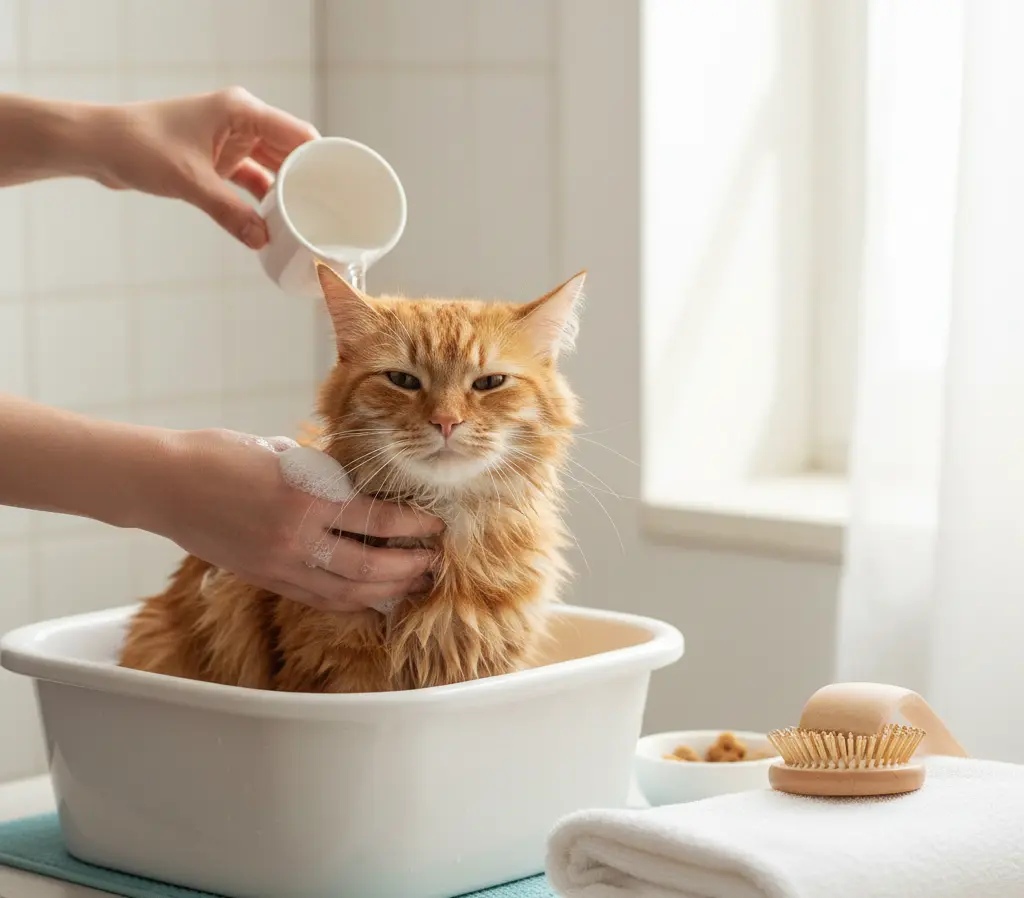
If the words cat bath instantly conjure an image of flying water, fluffed up fur, and your arms covered in tiny scratches, you are definitely not the only one. Many cat parents avoid the idea altogether and hope their feline never rolls in something sticky or unpleasant.
The truth is, most cats do not need frequent baths. They are natural groomers with a built in cleaning system, that sandpaper tongue that seems to work wonders. But there are times when knowing how to bathe a cat calmly is incredibly useful. Maybe your cat is older and struggling to groom, maybe they got into something messy, or maybe your vet has recommended special medicated baths.
Bathing a cat does not have to be a battle. With preparation, patience, and a few simple cat bath tips, it can be uncomfortable but manageable instead of dramatic and stressful.
Tired of boring toys that your pet ignores after five minutes? Discover the ultimate collection of pet-approved toys designed to keep dogs, cats, and even exotic pets happy, active, and mentally sharp. From chew-proof fetch balls to interactive puzzle toys, every pick is vet-recommended, durable, and loved by pets everywhere.
Make playtime the best time of their day. Bring home joy, health, and tail-wagging excitement today!
Most healthy adult cats do a great job keeping themselves clean. So before you even pick up the shampoo, ask yourself whether a bath is truly needed.
Bathing might be helpful when:
If your cat is simply a little dusty or has a mild odour, brushing and spot cleaning with a damp cloth may be enough. For other ways to manage smells between baths, check our tips on Combating Cat Odour. Save full baths for when they are actually helpful, not just for cosmetic reasons.
Ninety percent of a peaceful bath happens before a single paw touches water. Cats feel safest when they know what to expect and when their environment is steady and predictable.
Most cats feel safer in a smaller, enclosed space.
Good options include:
Avoid running huge amounts of water or filling a large, echoing tub. That can feel overwhelming.
Once your cat is wet, you will not want to leave them alone to fetch something.
Have ready:
If your cat tolerates nail trims, doing this a day or two before the bath can reduce scratches and protect your skin. You do not want to trim immediately before in case you accidentally cut too close and cause sensitivity
If you know a bath is coming, you can warm your cat up to the process.
This way, the space does not feel like a sudden trap. It becomes a place they have already smelled, climbed into, and maybe even received a snack.
Now to the actual bath. Move slowly, breathe, and stay as calm as possible. Your cat will pick up on your body language.
Fill the sink or basin with a shallow amount of warm water, no deeper than your cat’s belly. The water should feel comfortably warm on your inner wrist, similar to a baby bath. Avoid strong running water if your cat fears the sound. You can fill the basin first, then bring your cat in.
Support your cat’s body, keeping one hand under the chest and one supporting their hindquarters. Lower them in slowly so they can feel what is happening. Speak softly throughout. Some cats do better if they can rest their front paws on the edge so they feel more in control. If your cat panics, do not force them to stay. It is better to take a break and try again another time than to create a frightening memory.
Use a cup or your hand to pour water gently over their body, starting from the shoulders and working back toward the tail. Avoid pouring water directly on the head, ears, or face. You can clean these areas later with a damp cloth. Make sure the fur is thoroughly wet so the shampoo can do its job.
Use a small amount of shampoo and lather gently through the fur. Focus on areas that need cleaning, such as greasy spots, dirty patches, or medicated areas your vet mentioned. Always avoid the eyes, mouth, and inside the ears. If the face needs cleaning, use a soft damp cloth instead of direct shampoo.
Rinsing is extremely important. Any leftover shampoo can irritate the skin or cause itching later. Use your cup to pour clean warm water over the fur repeatedly until the water runs clear and you no longer feel slipperiness. Take your time with this step, especially with long haired cats.
Once rinsed, lift your cat out of the water and wrap them immediately in a large, warm towel. Cats usually feel much safer when their body is gently wrapped and they are held close.
Press the towel against the fur to absorb water rather than rubbing vigorously, which can tangle fur and feel unpleasant. You may need a second dry towel once the first becomes damp.
If your cat tolerates it, you can use a pet safe dryer on the very lowest heat and noise setting, held at a distance. Many cats prefer air drying in a warm room instead.
Long haired cats are beautiful, but their coats need more care.
For nervous cats:
Sometimes knowing what not to do is just as important.
Try to avoid:
Once your cat is clean and as dry as you can manage, offer treats, quiet praise, and a warm resting spot. Some cats will immediately start grooming themselves to restore their scent. Others will sulk a little, then forgive you faster than you expect. You might find that each bath gets a fraction easier as your cat realises they survived the last one.
Bathing a cat will probably never feel like a spa day for either of you. It might always be a little awkward and a little wet. But it does not have to be a dramatic wrestling match filled with fear and frustration. When you only bathe your cat when truly needed, prepare the space, move slowly, and respect their limits, you turn the experience into something tolerable and safe. Your cat learns that yes, they will get wet, but they will also be wrapped up, spoken to gently, and given a cosy place to recover. And you gain one more tool in your pet parent toolkit, another way to care for your feline friend when they need you most.
For more expert advice on hygiene and care, visit our main Cat Cleaning Hub.

At CheekyPetsCo, we’re a team of passionate pet lovers dedicated to helping you give your furry, feathery, or scaly friends the happiest, healthiest life possible. From expert tips on nutrition and training to fun facts and care guides for dogs, cats, and exotic pets. Our mission is to make pet parenting smarter, easier, and full of joy. Because every pet deserves a little cheeky love!
Your comment will be published within 24 hours.