Your comment will be published within 24 hours.

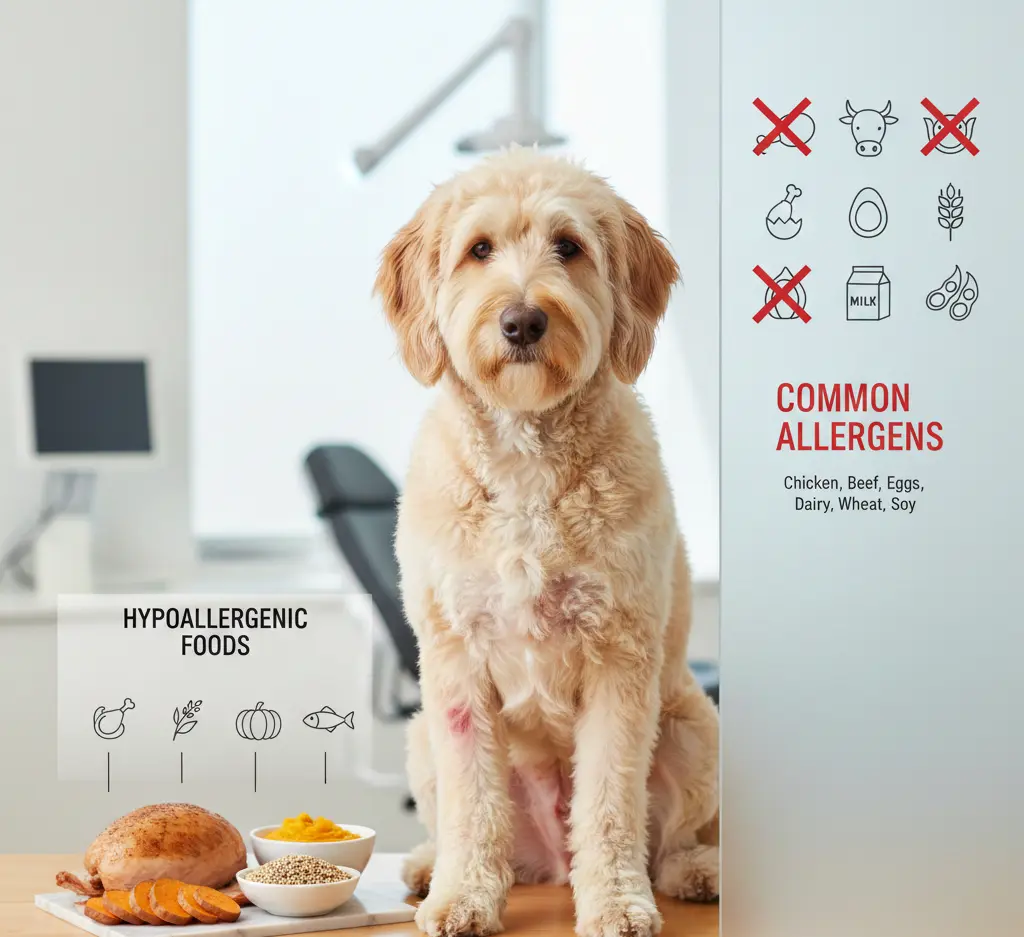
If you have ever watched your dog scratch endlessly, chew their paws until they’re pink, or deal with recurring ear infections, you know how heartbreaking dog allergies can be. And here’s the twist that surprises many pet parents. While environmental allergies get a lot of attention, dog food allergy are incredibly common and often the missing piece of the puzzle.
A dog’s diet can trigger inflammation, itchy skin, belly issues, and chronic discomfort. The good news is that understanding what foods to avoid and which alternatives to use can transform your dog’s life. Truly transform it. When you get diet right, you often see softer skin, less itching, calmer digestion, and a much happier pup.
Let’s walk through everything you need to know in a warm, clear, and science-backed way so you can build a confident dog diet for allergies that makes your pup feel safe, soothed, and thriving again.
Tired of boring toys that your pet ignores after five minutes? Discover the ultimate collection of pet-approved toys designed to keep dogs, cats, and even exotic pets happy, active, and mentally sharp. From chew-proof fetch balls to interactive puzzle toys, every pick is vet-recommended, durable, and loved by pets everywhere.
Make playtime the best time of their day. Bring home joy, health, and tail-wagging excitement today!
Food allergies happen when your dog’s immune system decides that a harmless food ingredient is a “danger.” It launches an immune response that leads to inflammation. Unlike environmental allergies (like pollen), food allergies cause chronic, year round symptoms.
If your dog shows several of these, diet is absolutely worth exploring. These symptoms directly relate to common dog skin and coat problems:
Food allergy symptoms are often constant, not seasonal.
These foods are notorious for causing reactions in sensitive dogs.
This shocks many people, but chicken is the number one protein allergen in dogs.
Beef is another very common trigger due to frequent exposure in commercial diets.
Many dogs are lactose intolerant or reactive to milk proteins.
Gluten allergies in dogs are less common but still possible.
Some dogs react to egg proteins.
Often used in lower quality foods, soy can trigger inflammation.
Lamb used to be considered hypoallergenic, but overexposure has changed that.
Grains are often blamed unfairly. True grain allergies are rare, although some sensitive dogs do react to wheat.
Healthy grains for most dogs include:
Always focus on the protein source first when exploring allergies.
If you suspect dog food allergy, the only reliable way to confirm is by doing a veterinarian guided elimination diet.
These are common triggers to remove during an elimination diet or if you know your dog’s allergy.
Avoid:
Dog allergy diets work best when ingredients are simple, clean, and recognizable.
Here is where things get hopeful. Many dogs thrive beautifully once allergens are swapped for gentle, nutritious alternatives.
These protein sources are less likely to trigger immune reactions.
Novel proteins reduce inflammation and give your dog’s immune system a break.
Carbs provide energy and help soothe digestion.
Great options:
These ingredients offer fiber and sustained energy without irritation.
These help calm the immune response and support healing.
Includes:
Even small daily amounts can ease itching and improve stool quality.
Allergies are heavily linked to gut health. Supporting your dog’s microbiome can reduce inflammation and improve digestion.
Try:
A healthy gut equals a calmer immune system.
Here are simple, safe meals you can try once a vet approves your elimination diet results.
Perfect for skin support.
Calming for digestion.
Rich in omegas and antioxidants.
Lean pork:
Great for dogs who need easy to digest proteins.
Packed with iron and anti inflammatory nutrients.
Many treats are full of hidden allergens. Choose simple, single ingredient treats.
Great options:
Avoid flavored treats unless they specify the exact protein source.
If your dog shows any of these signs, get veterinary help
Allergies can spiral if not treated early and correctly.
Most dogs show improvement within 4 to 6 weeks.
Food allergies are lifelong but manageable with diet.
Only if the dog is specifically allergic to certain grains. Protein is the more common culprit.
No. These tests are not reliable. Only elimination diets work.

At CheekyPetsCo, we’re a team of passionate pet lovers dedicated to helping you give your furry, feathery, or scaly friends the happiest, healthiest life possible. From expert tips on nutrition and training to fun facts and care guides for dogs, cats, and exotic pets. Our mission is to make pet parenting smarter, easier, and full of joy. Because every pet deserves a little cheeky love!
Your comment will be published within 24 hours.