Your comment will be published within 24 hours.

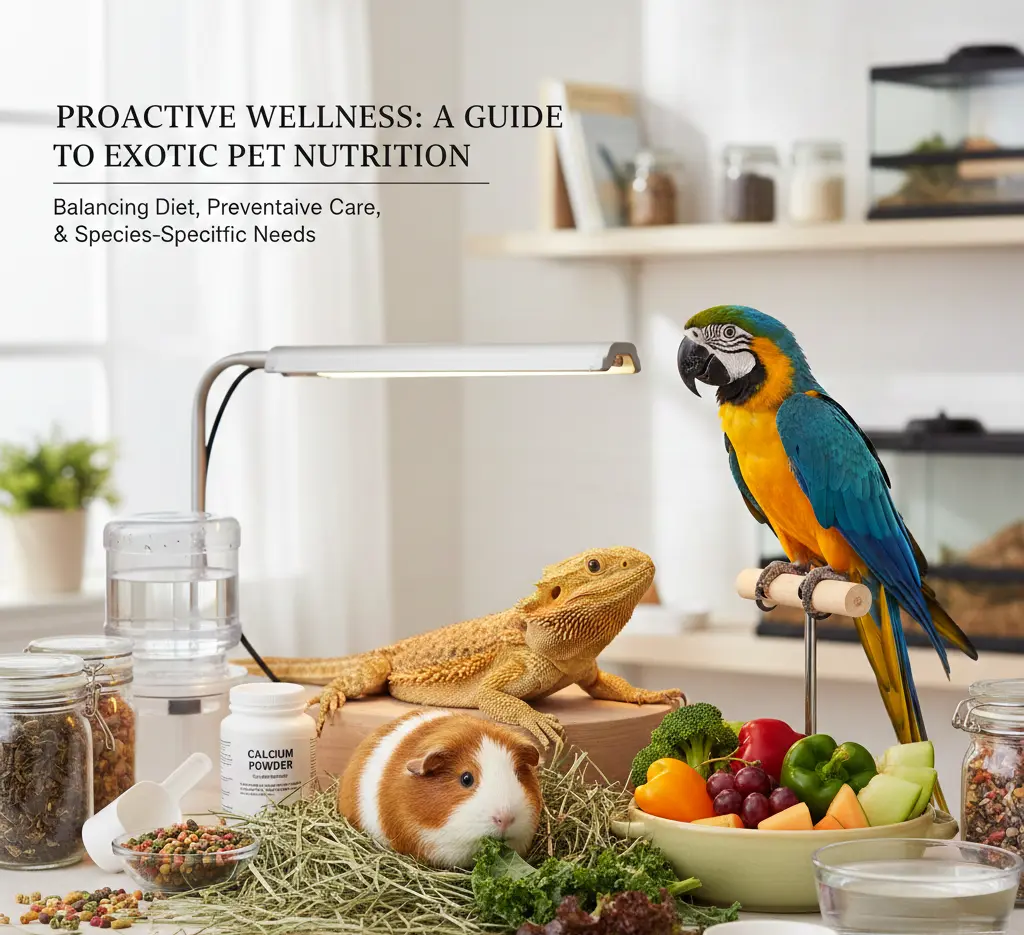
Exotic pets are unlike cats or dogs in the sense that their dietary needs are often highly specific and less intuitive for most owners. Whether you have a reptile basking under a lamp, a colorful parrot perched in your home, or a curious small mammal exploring tunnels, each type of pet comes with a distinct set of nutritional requirements. A deficiency in one key nutrient might not show obvious signs at first, but over time it can erode health, trigger behavioural issues, and shorten your pet’s vibrant life. Knowing the common deficiencies and how to address them gives you the power to transform your approach from reactive care to proactive wellness.
For detailed feeding guides and safe supplementation, visit CheekyPetsCo’s Exotic Food Hub:
Tired of boring toys that your pet ignores after five minutes? Discover the ultimate collection of pet-approved toys designed to keep dogs, cats, and even exotic pets happy, active, and mentally sharp. From chew-proof fetch balls to interactive puzzle toys, every pick is vet-recommended, durable, and loved by pets everywhere.
Make playtime the best time of their day. Bring home joy, health, and tail-wagging excitement today!
It might seem straightforward to feed your pet what looks right, but even slight imbalances can accumulate. Many reptile diets lack calcium or vitamin D3 if no UVB light is provided. Birds may receive seed-heavy meals that lack vitamins A and E. Small mammals might become deficient in fiber or vitamin C because their chew toys and treats replace fresh greens. These gaps often begin quietly, with subtle changes in eating, energy, or mood. Over time the consequences appear as brittle feathers, slowed growth, or poor digestive health.
Learning more about how diet ties into overall wellbeing may help you recognise early clues. Explore CheekyPetsCo’s Exotic Health Hub.
Reptiles, especially those that are herbivores or omnivores like bearded dragons or iguanas, rely on UVB light and dietary calcium to maintain bone and muscle health. Without enough, you might notice tremors, soft or misshapen young bones, or reluctance to climb. A basking lizard might hunch or sit in odd positions. If you spot these signs early you can correct UV exposure, increase calcium-rich food, and adjust lighting.
For habitat support and cleaning relevant to reptile health, visit CheekyPetsCo’s Exotic Cleaning Hub:
Birds kept on seed-only diets often miss vitamin A, which supports vision, immune health, and skin a well as feather quality. Deficiency might show as swollen eyes, flaky skin, or lethargy. Including orange and dark-green vegetables, and switching to a formulated pellet diet, helps avoid this issue. Introduce foods slowly to ensure digestion stays healthy and monitor droppings and behaviour for signs of change.
For feeding habits and safe food options for birds, visit CheekyPetsCo’s Exotic Food Hub:
Small mammals such as guinea pigs or rabbits often need high fiber and fresh greens. Guinea pigs cannot synthesise vitamin C, so deficiency may lead to weakness, scurvy-like symptoms, or poor coat condition. Rabbits fed mostly pellets may stop chewing properly or develop dental issues. Ensuring unlimited good-quality hay, fresh veggies daily, and species-appropriate pellets keeps digestion moving and immunity strong.
Clean bedding and accessories regularly to support overall health. Visit CheekyPetsCo’s Exotic Cleaning Hub:
Prevention is always better than treatment. Start by researching your species’ natural diet and replicate it mindfully. Use formulated feeds designed for exotic pets and supplement when necessary. Ensure habitat conditions support proper metabolism — correct temperature, UVB lighting, and clean substrate all contribute to nutrient absorption.
Rotate feeding items and watch for your pet’s reaction. A sudden drop in appetite or change in behaviour can signal that something isn’t right. You can access walk-throughs on feeding routines at CheekyPetsCo’s Exotic Food Hub:
Keep a log of feeding, behaviour, and physical appearance. Note changes in posture, coat or feather quality, appetite, or droppings. A sudden change deserves attention. Partner with a veterinarian experienced with exotic species to run blood or droppings tests if you suspect a deficiency. Early intervention prevents long-term damage.
For understanding health signals and routines, visit CheekyPetsCo’s Exotic Training Hub:
Nutritional deficiencies do not happen overnight and they do not have to define your exotic pet’s life. With attention, curiosity, and the right environmental support you can keep your companion strong, vibrant and engaged. Visit CheekyPetsCo’s Exotic Food Hub: for full feeding plans and enrichment ideas.

At CheekyPetsCo, we’re a team of passionate pet lovers dedicated to helping you give your furry, feathery, or scaly friends the happiest, healthiest life possible. From expert tips on nutrition and training to fun facts and care guides for dogs, cats, and exotic pets. Our mission is to make pet parenting smarter, easier, and full of joy. Because every pet deserves a little cheeky love!
Your comment will be published within 24 hours.