Your comment will be published within 24 hours.

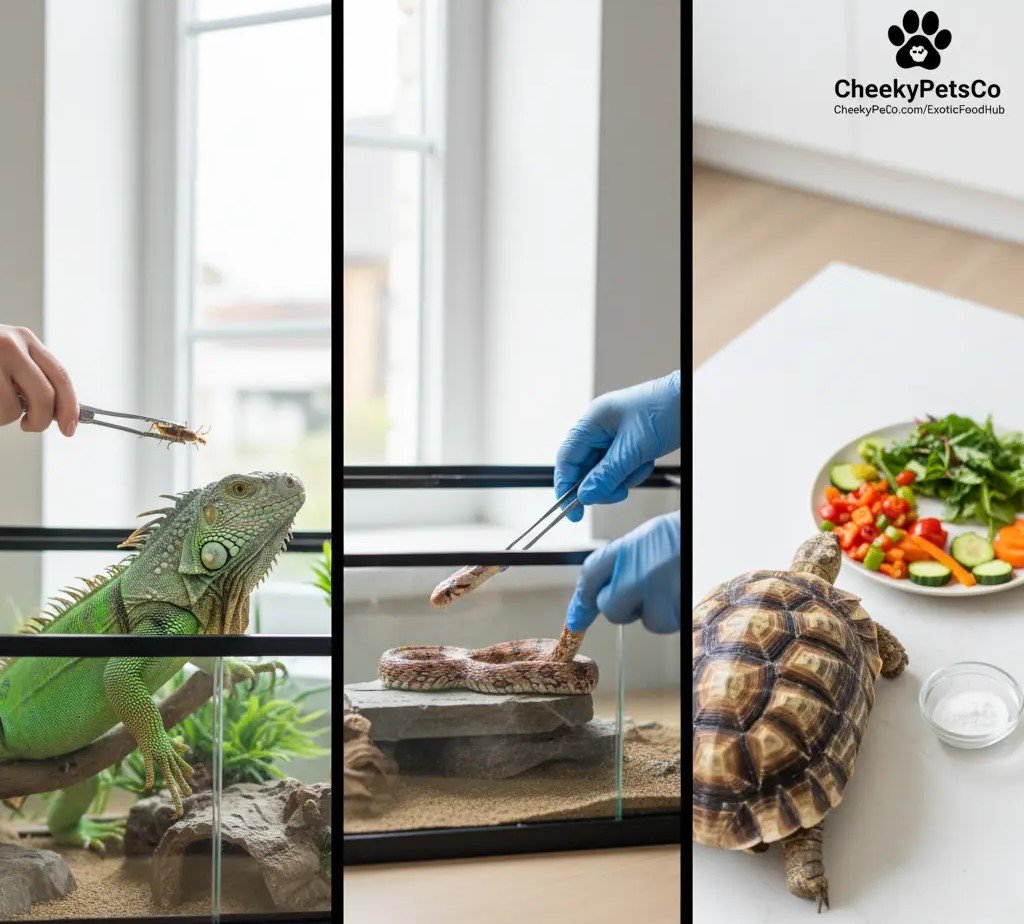
Feeding reptiles can feel complex, but once you understand their biology, it becomes an exciting part of pet care. From insectivores like geckos to carnivorous snakes and herbivorous tortoises, every reptile’s diet reflects its natural habitat and digestive rhythm.
Choosing between live prey, frozen/thawed food, and supplements can influence your pet’s health, growth, and temperament. This guide explains the differences, benefits, and safety guidelines behind each feeding method.
For full reptile nutrition advice, visit CheekyPetsCo’s Exotic Food Hub.
Tired of boring toys that your pet ignores after five minutes? Discover the ultimate collection of pet-approved toys designed to keep dogs, cats, and even exotic pets happy, active, and mentally sharp. From chew-proof fetch balls to interactive puzzle toys, every pick is vet-recommended, durable, and loved by pets everywhere.
Make playtime the best time of their day. Bring home joy, health, and tail-wagging excitement today!
Reptiles fall into three broad diet groups:
Feeding the wrong category leads to malnutrition or obesity. Learn about balanced diet planning and portion control at CheekyPetsCo’s Exotic Health Page.
Feeding live prey mimics natural hunting, encouraging exercise and mental stimulation. Insect-eating reptiles benefit from the chase, which keeps their instincts sharp.
However, live feeding requires supervision to prevent prey from injuring your reptile. Only buy healthy feeder insects or rodents from reputable sources. See live prey safety and feeding setup tips at CheekyPetsCo’s Exotic Cleaning Hub.
Frozen food reduces the risk of parasites and is easier to portion and store. Before feeding, thaw completely at room temperature or in warm water—never in a microwave.
Frozen prey should look and feel natural, without odour or discoloration. Snakes fed on thawed prey adapt quickly when meals are warmed to mimic body heat. Find feeding temperature guides and hygiene tools at CheekyPetsCo’s Exotic Food Section.
Insects like crickets, mealworms, and roaches are high in protein but low in calcium. Gut-load insects for 24 hours with fresh veggies before feeding, and dust them with calcium and vitamin D3 powder. Variety prevents boredom and ensures complete nutrition.
Learn more about insect feeding rotation and supplementation at CheekyPetsCo’s Exotic Training Page.
Calcium and vitamin D3 are essential for bone health, while multivitamins support immunity. Use reptile-specific supplements—human-grade vitamins can cause toxicity.
Sprinkle powders lightly on insects or greens, never overfeed, and rotate supplement types weekly.Find safe reptile supplements and dosages at CheekyPetsCo’s Exotic Food Hub.
Reptiles require consistent hydration even if they rarely drink. Mist enclosures daily or provide dripping water. Herbivores may obtain moisture from greens, while carnivores benefit from shallow soaking baths. Feed young reptiles daily, but adults may eat every few days depending on species and metabolism.
See hydration management and feeding frequency charts at CheekyPetsCo’s Exotic Health Section.
Clean leftover food and disinfect feeding areas to prevent bacteria buildup. Use reptile-safe cleaners and avoid strong scents that disturb natural behaviour.
Learn about post-feeding hygiene practices at CheekyPetsCo’s Exotic Cleaning Hub.
Feeding your reptile is about balance—between nutrition, enrichment, and safety. Whether you prefer live prey or frozen options, consistency and care create a thriving, stress-free pet. Discover curated feeders, supplements, and feeding accessories at CheekyPetsCo’s Exotic Food Hub and keep your reptile’s diet both natural and nutritious.

At CheekyPetsCo, we’re a team of passionate pet lovers dedicated to helping you give your furry, feathery, or scaly friends the happiest, healthiest life possible. From expert tips on nutrition and training to fun facts and care guides for dogs, cats, and exotic pets. Our mission is to make pet parenting smarter, easier, and full of joy. Because every pet deserves a little cheeky love!
Your comment will be published within 24 hours.