Your comment will be published within 24 hours.


No matter how much you adore your reptile, bird, or small mammal, you’ve probably noticed that exotic pet habitats have a very distinct smell. Odour is not just a cosmetic issue — it can indicate poor ventilation, excess moisture, or bacterial buildup. These factors don’t just make your living room unpleasant; they can also affect your pet’s health.
Unlike traditional pets, exotic species depend on carefully balanced micro-environments. A small shift in humidity or sanitation can cause an imbalance that encourages bacteria and mold to grow. To create a healthy, comfortable environment, odour management must go hand in hand with hygiene and habitat design.
For species-specific cleaning guidance, visit CheekyPetsCo’s Exotic Cleaning Hub.
Tired of boring toys that your pet ignores after five minutes? Discover the ultimate collection of pet-approved toys designed to keep dogs, cats, and even exotic pets happy, active, and mentally sharp. From chew-proof fetch balls to interactive puzzle toys, every pick is vet-recommended, durable, and loved by pets everywhere.
Make playtime the best time of their day. Bring home joy, health, and tail-wagging excitement today!
The smell that develops in tanks, cages, or hutches is rarely from the animal itself. Instead, it comes from leftover waste, food debris, and stagnant air. In reptile habitats, damp substrate often holds moisture that traps bacteria. Birds can scatter seed hulls, droppings, and feather dust that build up quickly in corners. Small mammals, such as rabbits or guinea pigs, produce ammonia in urine that lingers without proper airflow.
When odours appear, it’s a sign that something in the environment isn’t being cleaned or replaced often enough. The goal is not to cover the smell with sprays but to prevent it from forming at all through smart routines.
Learn more about environmental hygiene and respiratory health at CheekyPetsCo’s Exotic Health Hub.
Odour control begins with consistency. A few minutes each day can make a world of difference. Remove uneaten food, wipe water spills, and change bedding or substrate regularly. Wipe down tank walls and perches with warm water or a mild, pet-safe cleaner.
Deep cleaning once a week should include sanitizing surfaces, washing toys, and drying the habitat completely before returning your pet. A clean surface allows the natural scent of the animal — subtle and earthy — to remain without the underlying mustiness of waste.
If you’re unsure about species cleaning schedules, visit CheekyPetsCo’s Exotic Cleaning Hub for detailed breakdowns:
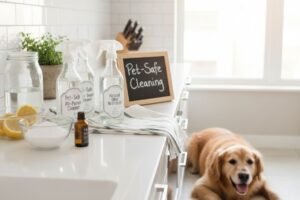
Strong synthetic air fresheners are never the answer. Exotic pets have sensitive respiratory systems, and the fumes from conventional deodorizers can cause harm. Instead, natural solutions work best. Baking soda absorbs unpleasant smells in the air — simply place a small open container near, but not inside, your pet’s habitat. Activated charcoal pouches are excellent for reducing humidity and keeping the air fresh around reptile tanks or bird cages.
For bird owners, even the smell of scented candles can irritate delicate airways. Keep fragrance-free zones near their living space. A clean, neutral-smelling environment is always safer than one masked with perfume.
For more DIY natural cleaning tips, explore CheekyPetsCo’s Exotic Food Hub for safe ingredient ideas:
Airflow is the foundation of odour prevention. Tanks and cages need steady ventilation that doesn’t create cold drafts. Reptiles, for instance, benefit from mesh lids or filtered vents that allow warm air to circulate. Birds prefer gentle air movement but should never be placed directly under fans.
A small air purifier with a HEPA filter can make a noticeable difference in maintaining clean air. It removes dust, dander, and airborne bacteria, all of which contribute to lingering odour.
Read more about humidity and ventilation balance at CheekyPetsCo’s Exotic Health Hub.
Even with good ventilation, bedding and substrate are the most common sources of smell. Moist or soiled material encourages bacterial growth and ammonia buildup. Replace reptile substrate and small mammal bedding weekly, or more often if your space is small.
Opt for natural, unscented materials like coconut fiber, paper pellets, or kiln-dried pine. Avoid cedar and scented litters, which release aromatic oils that can irritate your pet’s lungs. Always check that new substrate is dust-free to minimize respiratory stress.
Find detailed bedding and substrate maintenance guides at CheekyPetsCo’s Exotic Cleaning Hub.
Leftover food is one of the fastest ways odour builds up. Fruit and vegetables spoil quickly in warm environments, while uneaten pellets or insects can rot or attract mold. Remove all uneaten food after an hour and clean dishes daily with mild soap and warm water.
Stagnant water has a similar effect. Change it twice a day and wipe containers to prevent slime buildup. Keeping the feeding area dry and tidy helps maintain the freshness of the whole habitat.
For more food hygiene advice, visit CheekyPetsCo’s Exotic Food Hub
Toys, hides, and enrichment items absorb odours over time. These items come into contact with droppings, saliva, and moisture. Wash them every few days with gentle soap and rinse well. Allow them to dry completely under sunlight, which acts as a natural disinfectant.
Rotate items weekly to maintain novelty and hygiene. Clean play areas encourage activity and reduce stress-related behaviour such as chewing or pacing.
Learn about toy rotation and hygiene at CheekyPetsCo’s Exotic Toy Collection.
A calm, enriched pet is less likely to produce strong odours caused by stress. Stress can alter metabolism and waste production. Providing safe toys, hiding areas, and predictable routines helps your pet stay relaxed, eat regularly, and maintain balanced hydration — all factors that keep odours under control naturally.
Find ideas for creating enriching environments at CheekyPetsCo’s Exotic Training Hub.
Odour control ultimately comes down to awareness. When you regularly interact with your pet and understand its patterns, you’ll notice changes in smell that signal early health or environmental issues. The moment a scent feels “off,” it’s time to clean or investigate further.
Cleanliness is a form of care. A fresh habitat gives your pet room to breathe, explore, and thrive in the safety of its home.
Odour management in exotic pet spaces is about balance — consistent cleaning, natural freshness, and care for your animal’s sensitive environment. It’s not about overpowering scents but about creating a space where both you and your pet can breathe easily.
For expert cleaning products, eco-friendly solutions, and guides tailored to your reptile, bird, or small mammal, visit CheekyPetsCo’s Exotic Cleaning Hub
A clean habitat is a healthy one — and your pet deserves nothing less.

At CheekyPetsCo, we’re a team of passionate pet lovers dedicated to helping you give your furry, feathery, or scaly friends the happiest, healthiest life possible. From expert tips on nutrition and training to fun facts and care guides for dogs, cats, and exotic pets. Our mission is to make pet parenting smarter, easier, and full of joy. Because every pet deserves a little cheeky love!
Your comment will be published within 24 hours.