Your comment will be published within 24 hours.

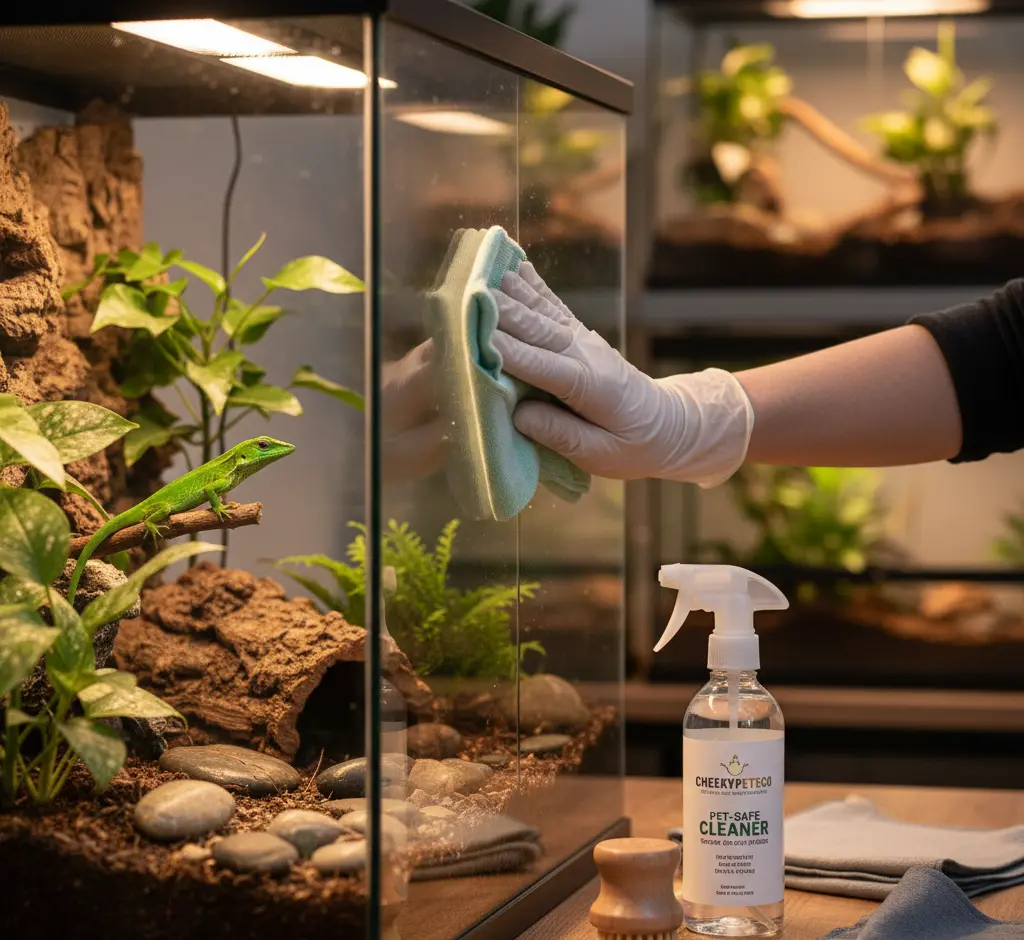
Cleaning an exotic pet’s gear is more than a household chore — it’s a critical act of care. Unlike cats or dogs, many exotic animals live in controlled microhabitats where small imbalances in chemicals or temperature can cause big problems. Disinfecting tanks, perches, or hides removes harmful bacteria and fungi, but harsh cleaners can also harm the animals they’re meant to protect.
The goal is not just cleanliness, but safety. A disinfected habitat supports long-term wellness, prevents infections, and preserves your pet’s natural environment. With the right approach, you can maintain spotless conditions without ever putting your reptile, bird, or small mammal at risk.
For species-specific cleaning tools and safe disinfectants, explore CheekyPetsCo’s Exotic Cleaning Hub.
Tired of boring toys that your pet ignores after five minutes? Discover the ultimate collection of pet-approved toys designed to keep dogs, cats, and even exotic pets happy, active, and mentally sharp. From chew-proof fetch balls to interactive puzzle toys, every pick is vet-recommended, durable, and loved by pets everywhere.
Make playtime the best time of their day. Bring home joy, health, and tail-wagging excitement today!
Every surface your exotic pet touches can harbor bacteria or parasites. This includes cage bars, perches, water bowls, feeding tongs, toys, and even substrate trays. Reptiles often shed skin that contains traces of bacteria; birds drop feathers and food debris that can attract mold; and small mammals produce urine that dries into invisible residue on cage walls.
Disinfecting is not the same as cleaning. Cleaning removes dirt, but disinfection kills microorganisms that may linger after washing. Both are vital for maintaining a truly hygienic environment.
To learn about how bacteria affect exotic animal health, visit CheekyPetsCo’s Exotic Health Hub.
Choosing the Right Cleaning Products
The most important rule for exotic pet owners is this: never use standard household cleaners. Ingredients such as bleach, ammonia, and phenols can cause respiratory distress, skin burns, and long-term organ damage in sensitive species. Even “green” cleaners with essential oils or fragrances can be toxic to birds and reptiles.
Instead, choose products labeled as pet-safe or reptile-safe. Many are enzyme-based, meaning they break down organic material without leaving harmful residues. You can also make your own cleaner using diluted white vinegar and warm water — a natural, inexpensive option that eliminates most bacteria when used consistently.
For a full list of pet-safe cleaning supplies, explore CheekyPetsCo’s Exotic Cleaning Hub.
A proper disinfection routine follows five essential steps. First, remove your pet and all feeding items from the enclosure. Second, wash away visible dirt with warm, soapy water. Third, apply your disinfectant and let it sit for at least ten minutes so it has time to work. Fourth, rinse thoroughly until the surface feels completely residue-free. Finally, dry everything fully before putting it back together.
Never rush the rinsing or drying stage. Even a trace of cleaning solution can irritate your pet’s skin or airways. Allow items to air out naturally or under a fan before reintroducing them.
To see detailed cleaning workflows by animal type, check CheekyPetsCo’s Exotic Training Hub.
Safe Disinfection for Reptile Gear
Reptiles are particularly sensitive to chemical exposure, and their warm enclosures can cause fumes to linger. Remove all decorations, rocks, and hides before cleaning the tank. Scrub each item with your vinegar-water solution or an enzyme-based cleaner, rinse with hot water, and allow it to dry completely.
For porous items like branches or driftwood, avoid chemical sprays altogether. Instead, soak them in boiling water for a few minutes, then bake at low heat (around 200°F) for twenty minutes to kill remaining microbes.
For reptile health and sanitation insights, visit CheekyPetsCo’s Exotic Health Hub
Disinfecting Bird Cages and Toys
Birds need extra care because of their highly efficient respiratory systems. Even mild fumes can trigger illness. To clean cages, remove all perches, toys, and trays. Soak them in warm water mixed with a small amount of fragrance-free dish soap. Rinse thoroughly, and let them dry in the sun if possible — sunlight acts as a natural disinfectant.
Avoid using strong citrus or vinegar scents directly inside the cage, as these can overwhelm small birds. Instead, spray cleaning solutions onto a cloth and wipe surfaces gently. For toys, rotate and clean weekly to prevent bacterial buildup on ropes and plastics.
See more advice on bird-safe cleaning and enrichment care at CheekyPetsCo’s Exotic Toy Collection.
Disinfecting Small Mammal Enclosures
For rabbits, guinea pigs, and rodents, cleanliness is essential but must be handled delicately. Ammonia-based cleaners are especially dangerous to these animals. Opt for a mild vinegar solution or a pet-specific spray that neutralizes urine odour while sanitizing.
Clean the entire enclosure weekly, replacing bedding and wiping down all surfaces. Wash food bowls and water bottles daily to prevent bacterial slime from forming.
If you notice your pet sneezing or scratching excessively after cleaning, air out the cage more thoroughly before reintroducing it.
You can find safe cleaning routines for small mammals at CheekyPetsCo’s Exotic Cleaning Hub
Tools and Techniques for Effective Disinfection
Dedicated cleaning tools make a big difference. Keep separate sponges, cloths, and brushes for each species to avoid cross-contamination. Use soft bristle brushes for delicate surfaces, and always sanitize your tools after every use.
If you use gloves, choose non-powdered, fragrance-free ones and wash your hands afterward. This helps protect both you and your pet from accidental residue exposure.
Discover practical equipment recommendations at CheekyPetsCo’s Exotic Training Hub
Creating a Stress-Free Cleaning Routine
Cleaning can be stressful for exotic pets, especially if their environment changes too suddenly. To minimize anxiety, clean while your pet is resting in a separate, quiet enclosure. Avoid making loud noises or introducing strong smells. After cleaning, return familiar objects to the same places to maintain comfort.
If your pet seems uneasy after cleaning, dim the lights slightly and give it time to adjust. Regular, predictable routines build trust and make future cleanings easier.
For more tips on stress-free pet management, explore CheekyPetsCo’s Exotic Health Hub.
DIY Natural Disinfectant Recipes
If you prefer a homemade approach, this simple recipe is safe for most enclosures. Mix two cups of warm water, one cup of white vinegar, and a tablespoon of baking soda. Add a drop of unscented castile soap if you need extra cleaning power. Spray, wipe, and rinse thoroughly.
This formula kills most bacteria and neutralizes odour without leaving any harmful residue. It’s inexpensive, effective, and environmentally friendly.
For more safe DIY cleaner recipes, visit CheekyPetsCo’s Exotic Cleaning Hub.
Final Thoughts
Cleanliness is an invisible gift you give your pet every day. It’s the quiet assurance that their world is safe, balanced, and free of hidden dangers. Disinfection, when done gently and with care, is an act of love as much as it is maintenance.
By using natural cleaners, establishing routines, and keeping your pet’s comfort in mind, you create a space that promotes health and trust.
To discover vet-approved cleaning products, eco-friendly supplies, and detailed guides for every species, visit CheekyPetsCo’s Exotic Cleaning Hub. A little consistency goes a long way — and your exotic pet will thrive in a habitat that feels as clean as it looks.

At CheekyPetsCo, we’re a team of passionate pet lovers dedicated to helping you give your furry, feathery, or scaly friends the happiest, healthiest life possible. From expert tips on nutrition and training to fun facts and care guides for dogs, cats, and exotic pets. Our mission is to make pet parenting smarter, easier, and full of joy. Because every pet deserves a little cheeky love!
Your comment will be published within 24 hours.