Your comment will be published within 24 hours.

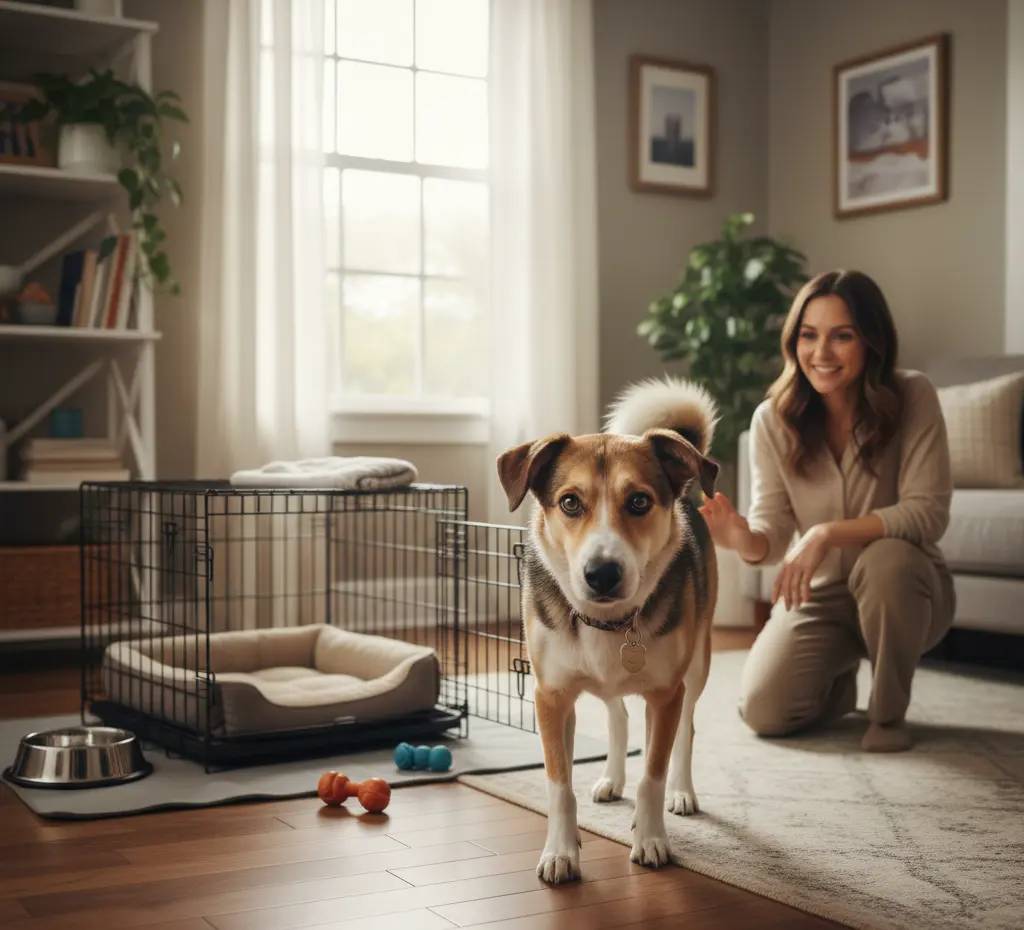
There is nothing quite like the flutter of excitement that fills your home the day a new dog arrives. Whether you adopted a shy sweetheart from a shelter, welcomed a confident young pup, or opened your heart to a senior dog ready for a second chance, this moment is huge for both of you. Your new companion has no idea what to expect. Everything is new, different, and full of strange smells, sounds, and routines.
Introducing a new dog to your home is not just a single moment, it is a gentle unfolding. With the right transition steps, you can help your dog feel safe, secure, and ready to bond in a healthy, confident way. Let’s walk through all the new dog transition tips that truly make a difference, from the first hour to the first month, so your new family member can thrive.
Tired of boring toys that your pet ignores after five minutes? Discover the ultimate collection of pet-approved toys designed to keep dogs, cats, and even exotic pets happy, active, and mentally sharp. From chew-proof fetch balls to interactive puzzle toys, every pick is vet-recommended, durable, and loved by pets everywhere.
Make playtime the best time of their day. Bring home joy, health, and tail-wagging excitement today!
A smooth transition starts before your new dog even steps foot inside your home. Preparation gives them comfort and gives you confidence.
Your dog needs a quiet area where they can retreat if they feel overwhelmed.
Great options include
Add familiar things like soft bedding, toys, or an item that smells like the shelter or previous foster home if available.
Prevent overwhelm and keep your dog safe.
Check for
It helps to assume your new dog will investigate everything because, well, they will.
Have these ready
The smoother your setup, the more relaxed your dog will feel. Have their collar, leash, bowls, and high value treats ready.
Your dog’s first day home is filled with adrenaline, uncertainty, and curiosity. Your job is to reduce pressure and give them gentle structure.
Avoid overwhelming your new dog with excited voices or loud celebrations. Speak softly, move slowly, and allow them to approach you.
Take your dog around the home using a leash. Let them sniff and explore one room at a time. This creates security and prevents overstimulation.
Your dog may settle quickly or may pace, pant, or hide. All of these responses are normal.
Let them decompress. Do not force petting or attention.
Dogs feel safe when the day follows a pattern.
Offer
Routine is your new dog’s anchor in a storm of change.
This is where bonding begins. Your dog is still observing, learning, and deciding if this new life feels safe.
Avoid big gatherings or new visitors. Let your dog settle with the people who live in the home first.
Every time your dog chooses to relax, explore gently, or respond politely, mark the behavior with “Yes!” and reward it.
You are shaping their confidence with every small win.
The crate should feel like a cozy den, not a punishment.
Make it positive with
Let your dog enter and exit freely at first.
Nothing intense, just building communication.
Begin with
Keep sessions under two minutes and use only positive reinforcement.
Expose your dog to new sounds and experiences slowly.
Try
Always pair new experiences with treats.
This is HUGE for many households and can make or break early harmony.
Here is how to do it right.
Positive signs
Negative signs
Go slowly and keep sessions short.
Cats need time to adjust, so keep expectations realistic.
It is completely normal for new dogs to show some challenging behaviors while adjusting.
These behaviors do NOT mean your dog is “bad.” They simply mean your dog is unsure or stressed.
Punishment increases fear, which worsens behavior during transition.
By this point, your dog begins to feel like this is their home, their pack, their safe place. You will see more of their personality and confidence shining through.
Add cues like
Training deepens trust and communication.
A mentally stimulated dog is a relaxed dog.
Use
Expose your dog to
Pair everything with treats.
Vet check ups are especially important during the first month.
Watch for
Many adopted dogs had stressful pasts and may need supportive care.
Seek help from your vet or a certified trainer or behaviorist if your dog shows
Early intervention leads to the best long term outcomes.
Most dogs take 3 days to decompress, 3 weeks to learn routines, and 3 months to fully settle.
Not at first. Give them time to bond with the household before introducing strangers.
Not required, but extremely helpful for structure, safety, and stress reduction.
It is normal for the first 24 hours. If it continues, call your vet.

At CheekyPetsCo, we’re a team of passionate pet lovers dedicated to helping you give your furry, feathery, or scaly friends the happiest, healthiest life possible. From expert tips on nutrition and training to fun facts and care guides for dogs, cats, and exotic pets. Our mission is to make pet parenting smarter, easier, and full of joy. Because every pet deserves a little cheeky love!
Your comment will be published within 24 hours.