Your comment will be published within 24 hours.

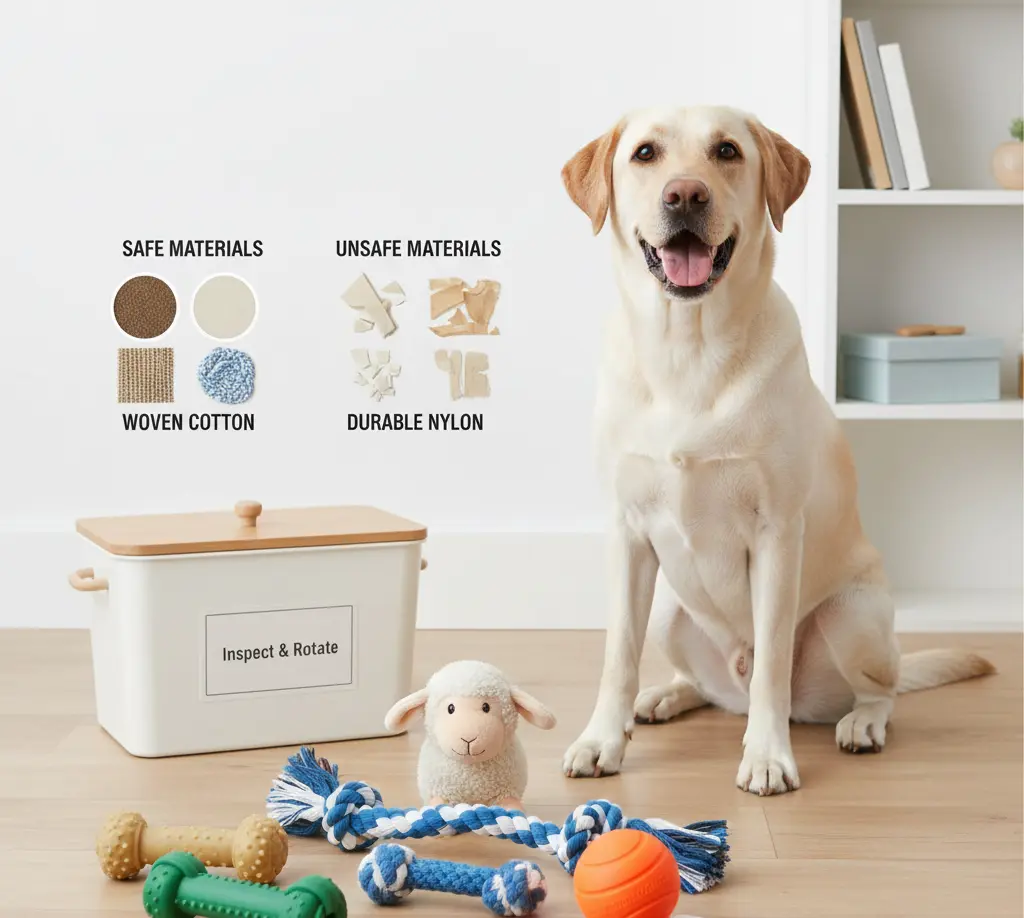
Dogs experience the world through their mouths. They chew, lick, and carry almost everything they find. That’s why choosing safe dog toys is more than a matter of fun—it’s about protecting their health. A poorly made toy can cause dental injuries, choking, or stomach blockages. The good news is that you can easily learn what makes a toy safe and what to avoid.
In this detailed guide, you will discover how to select the right toy materials, determine the ideal size for your dog, and recognise the warning signs of unsafe toys. By the end, you’ll be equipped to shop and play confidently, knowing your best friend is safe.
For a variety of vet-approved toy options, explore CheekyPetsCo Dog Toys Collection.
Tired of boring toys that your pet ignores after five minutes? Discover the ultimate collection of pet-approved toys designed to keep dogs, cats, and even exotic pets happy, active, and mentally sharp. From chew-proof fetch balls to interactive puzzle toys, every pick is vet-recommended, durable, and loved by pets everywhere.
Make playtime the best time of their day. Bring home joy, health, and tail-wagging excitement today!
Toys play a huge role in your dog’s physical and mental well-being. They relieve boredom, strengthen teeth, and provide comfort. However, not all toys are created equal. Some contain cheap plastic, loose stitching, or harsh dyes that can irritate the mouth or skin. Others are simply the wrong size, increasing the risk of choking.
Toy safety is not only about durability but also suitability. The safest toy is one that matches your dog’s chewing power, energy level, and play habits.
Read more about dog health and safe play habits at CheekyPetsCo Dog Health Page.
Every dog chews differently. Some nibble gently, others destroy everything within minutes. Before buying a toy, observe how your dog interacts with objects:
Matching toy strength to chew style prevents injuries and extends toy life. Never assume a “tough” label means indestructible. Always supervise playtime, especially with a new toy.
For breed-specific suggestions, check CheekyPetsCo Dog Training Hub.
Size is one of the most overlooked safety factors. A toy that’s too small can lodge in your dog’s throat, while an oversized toy may strain their jaw. The general rule is that a toy should be large enough that it cannot fit entirely behind the dog’s molars.
For small breeds, lightweight toys are best so they can carry them comfortably. Large breeds benefit from thick, dense materials that resist compression. Puppies, with developing teeth, need soft textures that soothe without breaking.
Learn more about age-appropriate play equipment at CheekyPetsCo Dog Health Hub.
The right material determines both durability and safety. Here are the top choices recommended by vets and trainers:
Natural Rubber:
Flexible, strong, and non-toxic. Ideal for heavy chewers.
Nylon:
Extremely durable and long-lasting. Perfect for dogs that love to gnaw.
Cotton Rope:
Gentle on gums and great for tug play. Helps clean teeth naturally.
Fleece or Fabric:
Best for gentle chewers and puppies. Offers softness and comfort.
Avoid cheap plastics, thin latex, or toys with sharp seams. If it smells like chemicals or leaves residue, skip it. Quality toys should have a mild or neutral scent.
Find high-quality natural and durable toy materials in CheekyPetsCo Dog Toys Collection.
Certain materials are unsafe for any dog. These include:
Always choose toys labeled BPA-free and non-toxic. When in doubt, read product descriptions carefully or consult your vet.
See more pet-safe cleaning and product guides at CheekyPetsCo Dog Cleaning Hub.
Even good toys can become dangerous over time. Watch for these early warning signs:
When you see damage, replace the toy immediately. Regular inspection prevents accidents before they happen.
Learn how to clean and maintain dog toys safely at CheekyPetsCo Dog Cleaning Hub.
Before handing a new toy to your dog, perform a quick safety test. Try bending, twisting, and squeezing it. If it cracks, flakes, or feels too hard, it’s not safe. Press your fingernail into the surface; if it leaves a deep mark, the material might be too soft and could break under strong chewing.
Also, look for smooth finishes and avoid toys with glued decorations. Any small part can detach and cause harm.
For toy cleaning and inspection routines, visit CheekyPetsCo’s Dog Cleaning Hub.
Puppies, adults, and seniors all have different needs. Puppies should avoid overly hard toys that could damage developing teeth. Adult dogs require sturdier materials that satisfy strong jaws. Senior dogs benefit from softer toys that protect aging gums and teeth.
Dogs with dental issues or missing teeth often prefer plush toys or lightly stuffed fabric balls. The goal is comfort and stimulation, not force.
Read more about life-stage appropriate care at CheekyPetsCo Dog Health Page.
Even the safest toy can become a hazard without supervision. Always watch new toys for the first few play sessions. Once you know your dog’s chewing habits, you can safely leave certain toys available for solo play.
Rotate toys weekly to keep them exciting and reduce wear. Rotation also helps you inspect older toys before re-introducing them.
Explore a full guide on toy rotation for mental stimulation in CheekyPetsCo Dog Toys Collection.
Proper storage keeps toys in good condition. Separate clean toys from those that need washing. Keep rubber and nylon toys in dry containers, and wash plush or rope toys weekly. Use mild soap and rinse thoroughly before returning them to playtime.
Good hygiene not only protects your dog but also extends the lifespan of your toys.
See full toy cleaning and care tips at CheekyPetsCo Dog Cleaning Hub.
A safe toy brings joy, stimulation, and comfort to your dog. By understanding materials, sizes, and warning signs, you can protect your dog’s health and make playtime worry-free. Remember, the safest toy is one you inspect, clean, and rotate regularly.
Your dog depends on you to make smart choices—and with a little attention to detail, every play session can be both safe and fun.
Explore vet-approved, non-toxic, and size-appropriate dog toys today at CheekyPetsCo Dog Toys Collection and make playtime safer for every tail wag.

At CheekyPetsCo, we’re a team of passionate pet lovers dedicated to helping you give your furry, feathery, or scaly friends the happiest, healthiest life possible. From expert tips on nutrition and training to fun facts and care guides for dogs, cats, and exotic pets. Our mission is to make pet parenting smarter, easier, and full of joy. Because every pet deserves a little cheeky love!
Your comment will be published within 24 hours.