Your comment will be published within 24 hours.

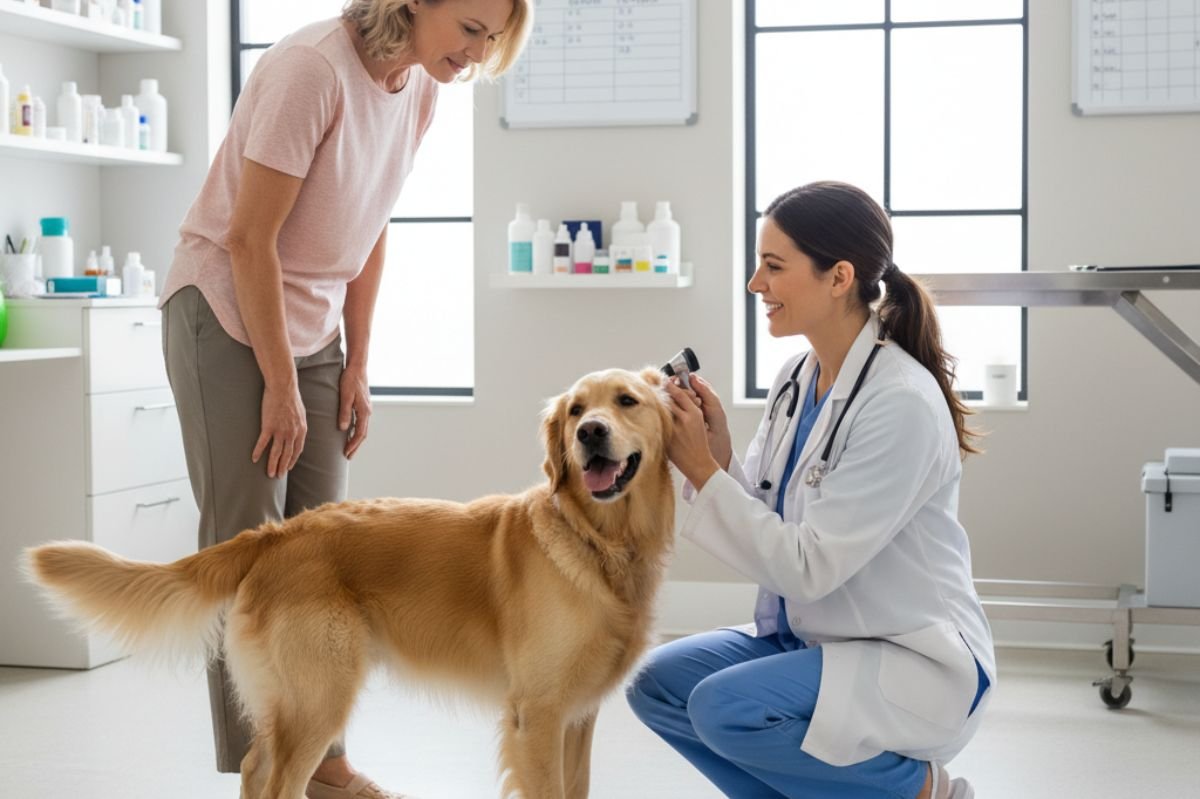
Most dogs hide pain better than we realize. They wag their tails, chase their toys, and seem perfectly healthy even when something serious is developing inside. As pet parents, it is our responsibility to notice the quiet clues before those conditions become critical. This guide reveals five hidden dog health risks that owners often miss and shows you how simple awareness can make a life changing difference for your furry friend.

By the age of three, nearly eighty percent of dogs already have some level of dental disease. It starts with plaque buildup and silently progresses to gum infections and tooth loss. Because dogs keep eating through mild discomfort, the signs are often easy to overlook.
Look for early warning signs such as persistent bad breath, slow chewing, pawing at the mouth, or reluctance to eat crunchy food. If left untreated, oral bacteria can travel through the bloodstream and damage the heart, liver, or kidneys.
Routine brushing, dental treats, and professional cleanings are the best defense against painful dental disease.
A healthy daily routine for dogs can prevent many of the hidden health risks pet owners overlook.

Extra treats and large meal portions might feel harmless, but over time they can add serious strain to your dog’s joints, liver, and pancreas. Even a few extra kilograms can increase the risk of arthritis and diabetes. Subtle signs include slower walks, difficulty climbing steps, or a waistline that seems thicker than before. You should be able to feel your dog’s ribs without pressing too hard but not see them clearly.
Switch to nutrient dense food, measure portions carefully, and introduce low calorie treats to help maintain a healthy weight.
Visit our Healthy Dog Food Options for vet approved, balanced meals and healthier treat choices.
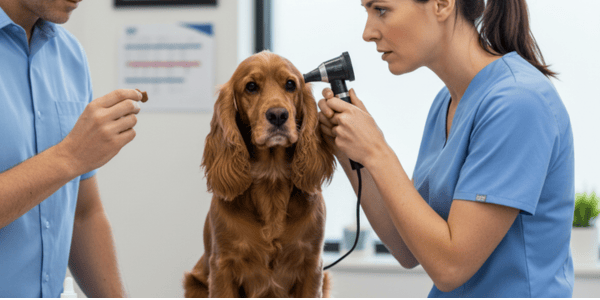
Dogs with floppy or hairy ears are especially prone to hidden ear infections. Moisture, trapped dirt, and yeast can build up fast especially during humid months.
Watch for frequent head shaking, scratching, a foul odor, or redness inside the ear flap. Untreated infections can lead to hearing problems and long term irritation.
Clean your dog’s ears gently using a vet recommended ear cleaner once a week and avoid inserting cotton swabs.
Vet Tip Never use cotton swabs deep inside the ear canal as this can cause damage. Instead, gently wipe the outer ear with a soft cloth and use a mild, vet approved ear cleanser as needed.
Browse our Dog Ear Care collection for safe, vet approved cleaners that make routine care easy.

Indoor pets are not immune to fleas, ticks, and worms. Parasites can hitch a ride inside through shoes, carpets, or other animals, silently impacting your dog’s health before symptoms appear.
Early clues include a dull coat, bloating, scooting, or unpredictable appetite changes. Keep up with regular deworming, grooming, and flea prevention routines throughout the year.
Check out our Dog Cleaning Hacks blog for natural flea control tips and effective grooming advice.

Emotional stress in dogs often manifests physically, from hair loss and stomach upset to constant restlessness even energetic dogs can be struggling beneath the surface.
Triggers include boredom, loud noises, lack of activity, or long hours of separation. Daily exercise, puzzle games, and interactive play help restore emotional balance.
Visit our Dog Toys collection to discover mentally stimulating toys that help keep your dog relaxed and happy.

Stay ahead of potential health issues with a consistent care routine
– Schedule annual veterinary exams and vaccinations
– Maintain monthly flea, tick, and worm control
– Provide a balanced diet with plenty of fresh water
– Keep up with dental cleaning and grooming routines
– Include daily exercise and mental stimulation
Download our free Dog Health Tracker to monitor your pet’s wellbeing easily.
Contact your vet immediately if your dog shows any of the following signs
– Sudden collapse or weakness
– Loss of appetite lasting more than 24 hours
– Continuous vomiting or diarrhea
– Difficulty breathing or pale gums
– Persistent lethargy or disorientation
Keep your veterinarian’s contact number handy for emergencies.
True love for your dog means attention to the quiet signs that often go unnoticed. By understanding these hidden health risks, you become the best guardian of your dog’s health and happiness.
Explore our Dog Health Hub for expert guides, wellness advice, and trusted product suggestions for daily dog care.