Your comment will be published within 24 hours.

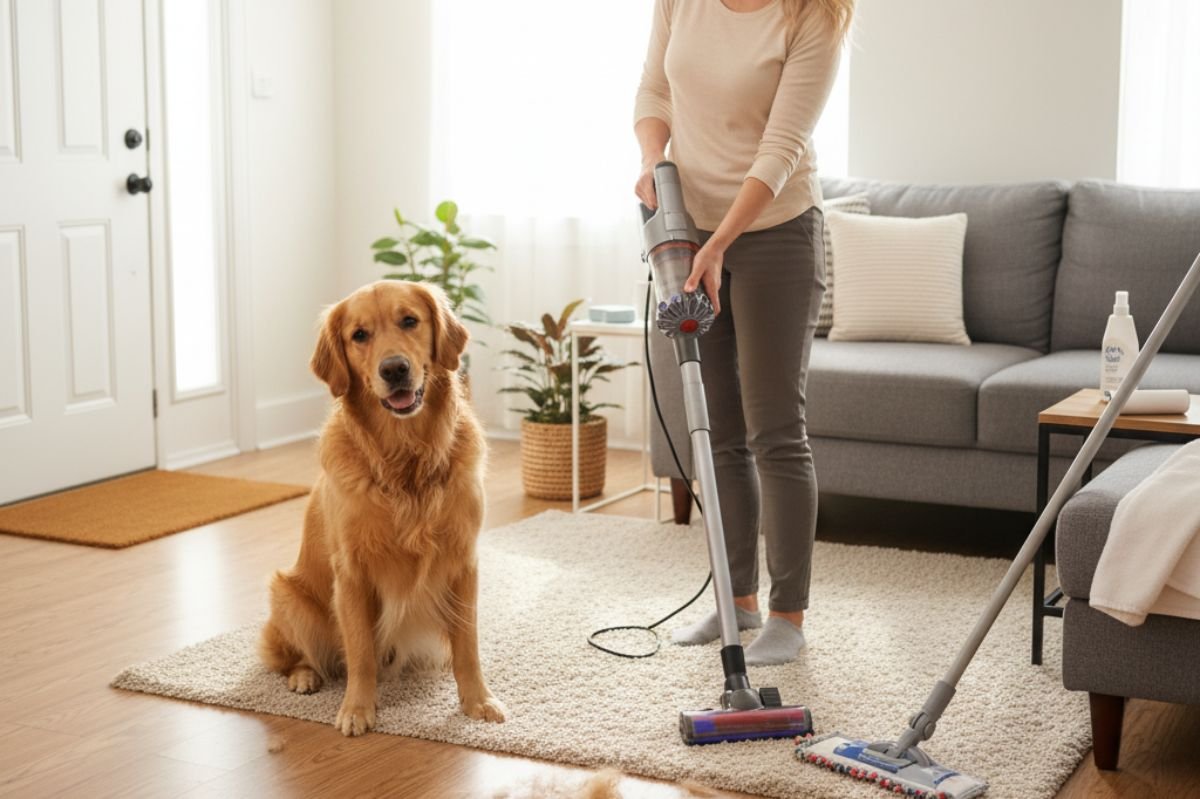
Every dog has a small world made up of their belongings. Their bed is where they sleep and dream. Their toys are what they chew, shake, and guard proudly. Their collar and leash go everywhere with them. Over time these items collect hair, saliva, oils, dust, and sometimes dirt. If you do not clean them regularly, they begin to smell and can even cause skin problems for your dog. The good news is that keeping your dog’s essentials clean is simple when you follow a consistent schedule. In this guide, you will learn how to clean and maintain everything your dog uses daily. From beds and toys to bowls and gear. So your pet stays comfortable and healthy and your home stays fresh.
The dog bed is where most of the odour in a pet home starts. It traps fur, body oils, and sometimes moisture. A dirty bed can also irritate sensitive skin or attract fleas. Start by checking the label for washing instructions. Most modern dog beds have removable covers which makes cleaning easy.
Remove the cover and wash it in warm water with a mild detergent once every seven to ten days. Add half a cup of white vinegar to the rinse cycle to eliminate odour naturally. Avoid fabric softeners because they can leave residues that bother a dog’s skin. If the bed’s inner cushion is washable, wash it once a month on a gentle cycle and dry completely. Damp filling can breed bacteria.
If your bed does not have a removable cover, vacuum it thoroughly and then spot clean with a mix of warm water and gentle pet safe soap. Blot, do not soak, and allow it to air dry in the sun. Sunlight not only dries faster but naturally disinfects.
Pro Hack: keep two dog beds or covers and rotate them. While one is being washed and dried, your dog still has a clean place to rest.
Always clean your dog’s bed and toys using safe natural cleaners.
Tired of boring toys that your pet ignores after five minutes? Discover the ultimate collection of pet-approved toys designed to keep dogs, cats, and even exotic pets happy, active, and mentally sharp. From chew-proof fetch balls to interactive puzzle toys, every pick is vet-recommended, durable, and loved by pets everywhere.
Make playtime the best time of their day. Bring home joy, health, and tail-wagging excitement today!
Toys are your dog’s favourite possessions. But they can quickly become breeding grounds for bacteria. Every chew session leaves saliva and crumbs behind. Rubber, rope, and plush toys each require a slightly different cleaning method.
For rubber or silicone toys, soak them in warm water mixed with a few drops of pet safe dish soap. Use a toothbrush to scrub away dirt in grooves or chew marks. Rinse thoroughly with clean water and dry completely.
For rope or fabric toys, place them in a mesh laundry bag and wash on a gentle cycle using mild detergent. Rope toys can also be microwaved for 30 seconds after washing to kill bacteria. But only if they do not have plastic parts. Always check for loose threads before giving them back to your dog.
For plush toys, wash them on a gentle cycle and air dry or tumble on low heat. Replace toys that are ripped, smell bad, or have stuffing coming out.
Vet Tip: dogs with weaker immune systems or allergies benefit from boiled or disinfected rubber toys. Drop them in boiling water for a few minutes, let them cool, and they will be germ-free and safe to chew again.
Collars and leashes are often overlooked. But they are in constant contact with your dog’s skin and collect sweat, oils, and outdoor grime. If left unwashed, they can cause irritation or rashes around the neck.
Once a week, fill a bowl with warm water and add a few drops of gentle soap. Submerge fabric collars and harnesses, swish them around, and scrub gently with a soft brush. Rinse thoroughly and air dry. Do not leave them damp as moisture can weaken the material and promote odour.
For leather collars, use a damp cloth to wipe dirt away. Then apply a leather conditioner to prevent cracks. Avoid soaking leather in water because it damages the material.
Metal parts on leashes and collars should be wiped down to prevent rust. Especially if you live near the beach. After rainy walks, hang all gear to dry before storing.
Pro Hack: if your dog swims often, keep a spare set of nylon collars and leashes. Alternate them so one can fully dry between uses.
Keep toys bacteria-free with tips from CheekyPetsCo’s Dog Toys Section.
Your dog’s bowls might look clean. But food residue and saliva can quickly build a slimy layer called biofilm. This is a breeding ground for bacteria. Regular cleaning of bowls is just as important as washing human dishes.
Wash food bowls after every meal using hot water and mild dish soap. Stainless steel or ceramic bowls are ideal because they resist scratches and do not hold odour. Avoid plastic bowls which can develop cracks that trap bacteria.
Water bowls should be emptied, rinsed, and refilled daily. Once a week, scrub them with a bottle brush and warm soapy water. Rinse thoroughly before refilling.
If your dog eats raw food, clean bowls immediately after each meal to prevent contamination. Keep a dedicated sponge or brush for pet dishes and store it separately from human kitchen tools.
Vet Tip: once a month, disinfect bowls by soaking them in a mix of one part vinegar to two parts water for ten minutes. Then rinse well.
Explore collar-care and gear-maintenance advice at CheekyPetsCo’s Dog Cleaning Hub.
Cleaning dog items can feel endless if you do everything at once. The secret is consistency. Break it into small, manageable routines.
Daily: rinse and refill water bowls, pick up toys scattered on the floor, and wipe paws after walks.
Weekly: wash bed covers, wipe or wash toys, clean collars and leashes, and vacuum your dog’s resting area.
Monthly: deep wash bed cushions, inspect all gear for wear and tear, and replace anything damaged or smelly.
Seasonally: declutter your dog’s items, wash carriers and crates, and donate gently used gear that your dog no longer uses.
Once you follow this system, your home will always smell fresh, your dog’s belongings will last longer, and you will feel more in control of cleaning.
Pro Hack: create a cleaning checklist in a small notebook or phone app. Mark off each task to stay consistent.
Discover how to clean food and water bowls correctly on CheekyPetsCo’s Dog Health.
Keeping your dog’s belongings clean is an act of care, not just hygiene. Dogs notice when their beds smell fresh, their toys are clean, and their bowls shine. A clean environment supports good health, prevents infections, and keeps your home smelling like a home instead of a kennel.
This process is simple, repeatable, and effective. Start today with one area, maybe the bed, and add the others over time. Within a week, you will notice the difference in smell and comfort.
Want more vet-approved cleaning routines, grooming hacks, and product guides Visit Dog Cleaning Hacks for expert advice, safe cleaning tools, and ideas that make dog care easier and more enjoyable.
At CheekyPetsCo, we’re a team of passionate pet lovers dedicated to helping you give your furry, feathery, or scaly friends the happiest, healthiest life possible. From expert tips on nutrition and training to fun facts and care guides for dogs, cats, and exotic pets. Our mission is to make pet parenting smarter, easier, and full of joy. Because every pet deserves a little cheeky love!
Your comment will be published within 24 hours.