Your comment will be published within 24 hours.

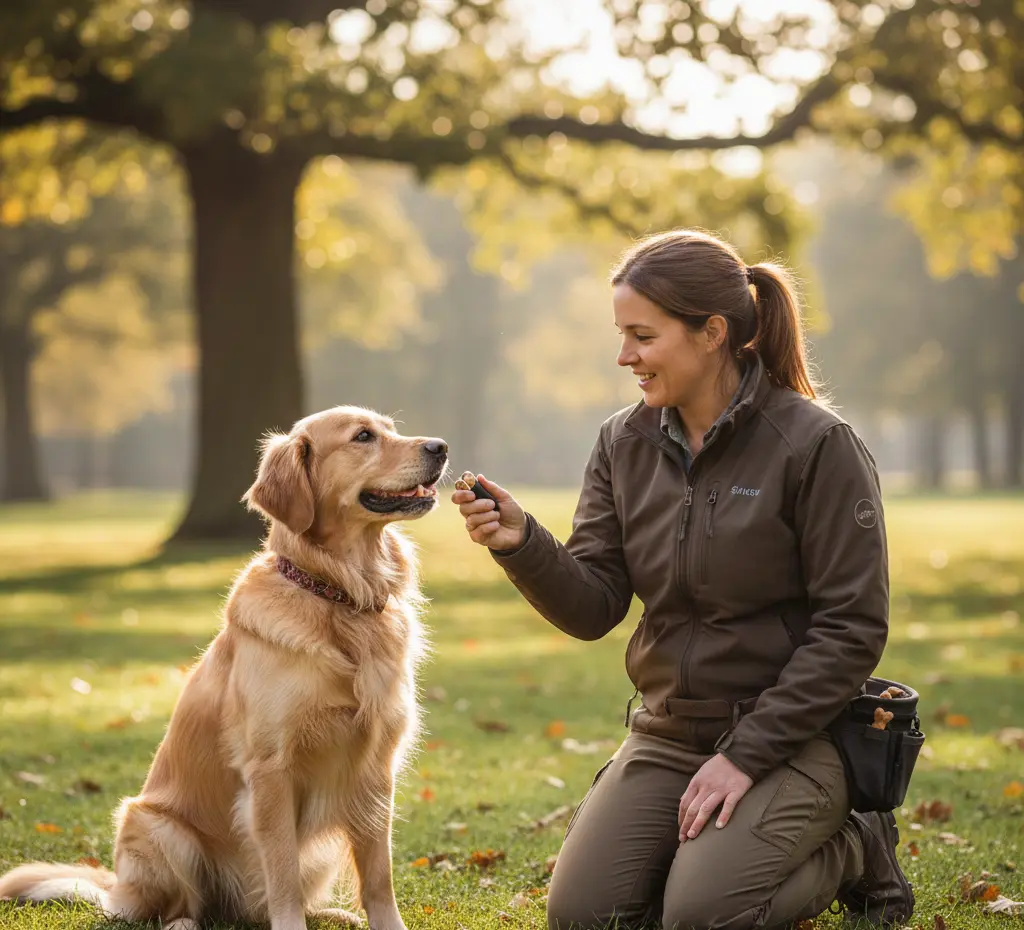
Have you ever watched your dog stare at you with that “I’m trying SO hard to understand you” look, only for the training session to fall apart because, well, life is distracting and the world smells amazing? Trust me, every pet parent has been there. The beautiful thing is that your dog genuinely wants to learn from you, and the most effective way to teach them is through positive reinforcement.
Positive reinforcement dog training is not just a method, it is the gold standard of ethical behavior shaping. It is joyful, confidence boosting, scientifically proven, and one of the most loving things you can offer your dog. Let’s dig into the training techniques that actually work, why they matter, and exactly how you can use rewards to communicate with clarity and kindness. Grab a handful of treats and your happy voice because we are about to turn your dog into an eager little superstar.
Tired of boring toys that your pet ignores after five minutes? Discover the ultimate collection of pet-approved toys designed to keep dogs, cats, and even exotic pets happy, active, and mentally sharp. From chew-proof fetch balls to interactive puzzle toys, every pick is vet-recommended, durable, and loved by pets everywhere.
Make playtime the best time of their day. Bring home joy, health, and tail-wagging excitement today!
Positive reinforcement means adding something your dog loves the moment they perform a desirable behavior. Food, praise, toys, affection, sniff time, or even access to the couch. Your dog learns, “Oh! Doing that gets me something awesome!”
This method builds trust instead of fear. Instead of punishing mistakes, you reward successes. Dogs repeat behaviors that feel worthwhile, and with the right structure, they begin offering the actions you want almost automatically. Simple, science backed, and magical when done consistently.
Dogs are information sponges. . Dogs repeat behaviors that feel worthwhile. Positive reinforcement avoids the fallout of harsh methods which can cause fear, shutdown, anxiety, and unpredictable behavior often leading to hidden health risks in dogs.
Benefits include:
Positive reinforcement also avoids the fallout of harsh methods which can cause fear, shutdown, anxiety, and unpredictable behavior. You want your dog to learn because they feel safe and motivated, not scared or confused.
Every dog has a unique “currency.” What excites one dog might bore another. To master dog reward training techniques, you need a reward menu tailored to your pup.
The classic. Most dogs are food motivated because eating is biologically rewarding. Use small, soft treats to keep the session quick and fun. Remember to consider dog dental health when choosing chews/treats. Save the extra tasty stuff for hard tasks.
High value treats include:
Perfect for energetic or play driven dogs. Tug toys, squeakers, and fetch items work great.
Yes, real life can be rewarding too.
Examples:
Some dogs melt when they hear a joyful “Good job buddy!” Use warm, enthusiastic praise to reinforce emotional connection.
Let’s go deeper into the methods that trainers swear by and pet parents find easy to use daily.
This is the foundation of modern training. You mark the exact moment your dog does the right thing, then give a reward.
You can mark with:
This helps your dog understand EXACTLY what earned the reward.
For example:
Your dog sits. You say “Yes!” the instant their butt hits the ground, then give a treat. Clear communication, happy dog, quick learning.
Luring uses a treat to guide your dog into a position. It is perfect for teaching basics like sit, down, spin, or middle.
For example:
Hold a treat to your dog’s nose and move your hand back. As your dog’s head goes up, their bottom goes down. Mark and reward. Lures should be faded quickly so your dog performs the cue without needing to follow food.
Shaping is a superstar technique used by professional trainers. It reinforces small steps toward a final behavior. Imagine teaching your dog to put a paw on a target.
You would reward tiny approximations:
This turns training into a fun problem solving game. Dogs love feeling clever.
Capturing means rewarding natural behaviors as they happen. You “capture” the moment.
Great for:
If your dog does something you love, say “Yes!” and reward it. They will do it more often.
A jackpot is an extra big reward given when your dog performs exceptionally well.
You might give:
Jackpots tell your dog, “That was AMAZING! Do that again!”
Dogs stay engaged when they don’t know which reward is coming. Once your dog knows a behavior, you can mix the rewards.
For example:
Think of it like a slot machine of joy. It keeps your dog excited and consistent.
Training should not only happen in a quiet living room. The world is full of exciting distractions.
Practice behaviors:
Use real life rewards like access to a sniffy area or greeting a friend.
Here are some easy routines that turn your dog into a responsive, confident learner.
Purpose: Strengthen response to name
How: Say your dog’s name, the moment they look at you, mark and reward
Result: Your dog becomes more attentive
Purpose: Teach impulse control
How: Ask for sit. Reward. Then say your release cue like “Free!”
Result: A calmer, more focused dog
Purpose: Build focus
How: Hold a treat near your eyes. When your dog makes eye contact, mark and reward
Result: Better control in distracting environments
Purpose: Create a reliable engagement cue
How: Present your hand. When your dog touches it with their nose, mark and reward
Result: Perfect for redirection and recalls
Purpose: Reduce stress and increase sniffing
How: Toss treats onto the ground and let your dog forage
Result: A calmer, more relaxed dog on walks
Positive reinforcement is powerful, but certain habits can slow down progress.
If you reward too late, your dog may link it to the wrong behavior.
If your dog is not interested, the session won’t work.
Saying “Sit sit sit sit sit” teaches your dog to ignore you.
Keep sessions short and fun. Three minutes beats twenty every time.
Your dog naturally values environmental rewards. Use them wisely.
Yes. Research and behavior specialists consistently show it creates faster learning and better emotional outcomes.
Fade treats gradually and replace them with praise, play, or life rewards. Positive reinforcement is highly effective for senior dogs, often helping to keep their brains sharp and engaged.
Absolutely, especially when paired with management and consistent routines. Severe cases may require a certified behaviorist.
Most dogs learn a cue within days, but reliability requires repetition in various environments.

At CheekyPetsCo, we’re a team of passionate pet lovers dedicated to helping you give your furry, feathery, or scaly friends the happiest, healthiest life possible. From expert tips on nutrition and training to fun facts and care guides for dogs, cats, and exotic pets. Our mission is to make pet parenting smarter, easier, and full of joy. Because every pet deserves a little cheeky love!
Your comment will be published within 24 hours.