Your comment will be published within 24 hours.

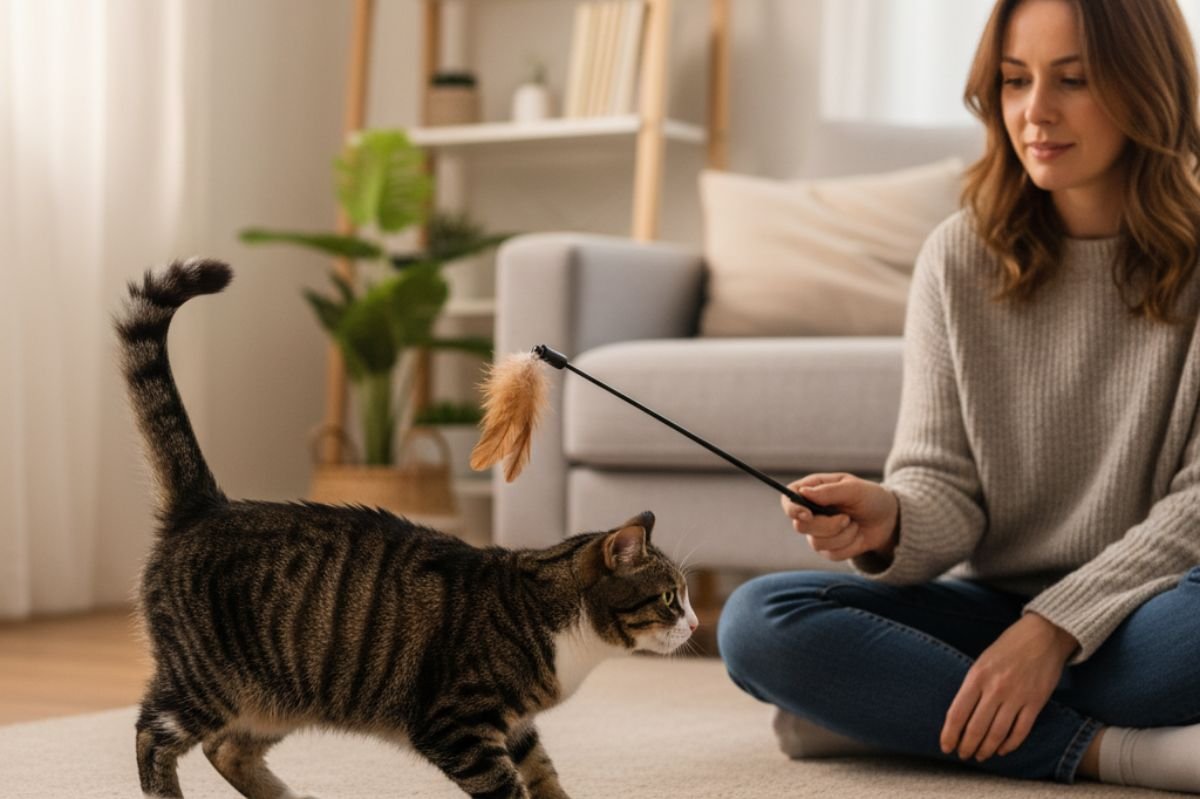
Even the sweetest cat can sometimes scratch or bite unexpectedly. While these moments can be startling, aggression in cats usually stems from fear, frustration, or confusion—not malice. Understanding the cause is the first step to building trust and restoring calm.
This guide breaks down the common reasons for feline aggression, the early warning signs to watch for, and practical steps to help your cat feel safe and behave gently again.
For more behavioural guidance, visit CheekyPetsCo’s Cat Training Hub.
Tired of boring toys that your pet ignores after five minutes? Discover the ultimate collection of pet-approved toys designed to keep dogs, cats, and even exotic pets happy, active, and mentally sharp. From chew-proof fetch balls to interactive puzzle toys, every pick is vet-recommended, durable, and loved by pets everywhere.
Make playtime the best time of their day. Bring home joy, health, and tail-wagging excitement today!
Cats display different forms of aggression depending on the trigger. The most common include:
Recognizing the type helps you apply the right solution rather than punishing the behaviour.
Learn more about understanding feline body language at CheekyPetsCo’s Cat Health Page.
Aggression rarely happens without warning. Watch for cues like flattened ears, tail twitching, dilated pupils, or low growls. These signals mean your cat feels threatened or overstimulated.
If you catch these signs early, you can defuse tension by giving your cat space instead of forcing interaction.
For detailed stress and behaviour management tips, visit CheekyPetsCo’s Cat Health Hub.
Yelling, spraying water, or hitting a cat increases fear and makes aggression worse. Cats do not associate punishment with their actions the way humans or dogs might. Instead, focus on calm correction and environment control.
Provide positive alternatives and redirect energy through structured play and enrichment.
Find positive training methods and resources at CheekyPetsCo’s Cat Training Section.
Cats thrive in stable, predictable surroundings. Sudden noises, overcrowding, or lack of hiding spots can trigger defensive reactions. Offer vertical spaces like cat trees and shelves so your cat can observe safely.
Use pheromone diffusers or calming sprays to reduce anxiety naturally.
See comfort and enrichment ideas for anxious cats at CheekyPetsCo’s Cat Health Page.
Bored cats often turn their energy into biting or rough play. Scheduled interactive sessions—like chasing wand toys or pouncing on moving balls—release energy in healthy ways.
Rotate toys regularly and use them as rewards for calm behaviour. Play also strengthens your bond.
Explore interactive cat toys and play ideas at CheekyPetsCo’s Cat Toys Collection.
If your cat reacts aggressively toward guests or other pets, gradual desensitization helps. Allow short, controlled interactions and reward calm responses. Avoid rushing introductions.
Pair positive experiences, like treats or playtime, with new people or sounds to build confidence.
For multi-cat household and introduction guides, visit CheekyPetsCo’s Cat Training Hub.
Sudden aggression can indicate pain or illness. Dental disease, arthritis, or thyroid problems often manifest as irritability. Schedule a vet visit if your cat’s personality changes quickly.
Treating the underlying cause often resolves the behaviour entirely.
Read about health-linked behaviour changes at CheekyPetsCo’s Cat Health Hub.
When your cat behaves calmly, reward with soft praise, gentle petting, or treats. This reinforces safe interactions and builds emotional security. Avoid forcing cuddles or handling during stressful moments—let your cat choose closeness.
Over time, consistent trust replaces defensive behaviour.
See reward-based bonding exercises at CheekyPetsCo’s Cat Training Section.
Aggression in cats isn’t a sign of a bad pet—it’s a signal of discomfort. With patience, understanding, and structure, even the most reactive cat can become gentle again.
Stay observant, avoid punishment, and prioritize calm connection. You’ll soon rebuild trust and create a peaceful home for both of you.
Discover tools and training aids that promote calm, confident behaviour at CheekyPetsCo’s Cat Training Hub and help your feline friend feel secure and understood.

At CheekyPetsCo, we’re a team of passionate pet lovers dedicated to helping you give your furry, feathery, or scaly friends the happiest, healthiest life possible. From expert tips on nutrition and training to fun facts and care guides for dogs, cats, and exotic pets. Our mission is to make pet parenting smarter, easier, and full of joy. Because every pet deserves a little cheeky love!
Your comment will be published within 24 hours.