Your comment will be published within 24 hours.

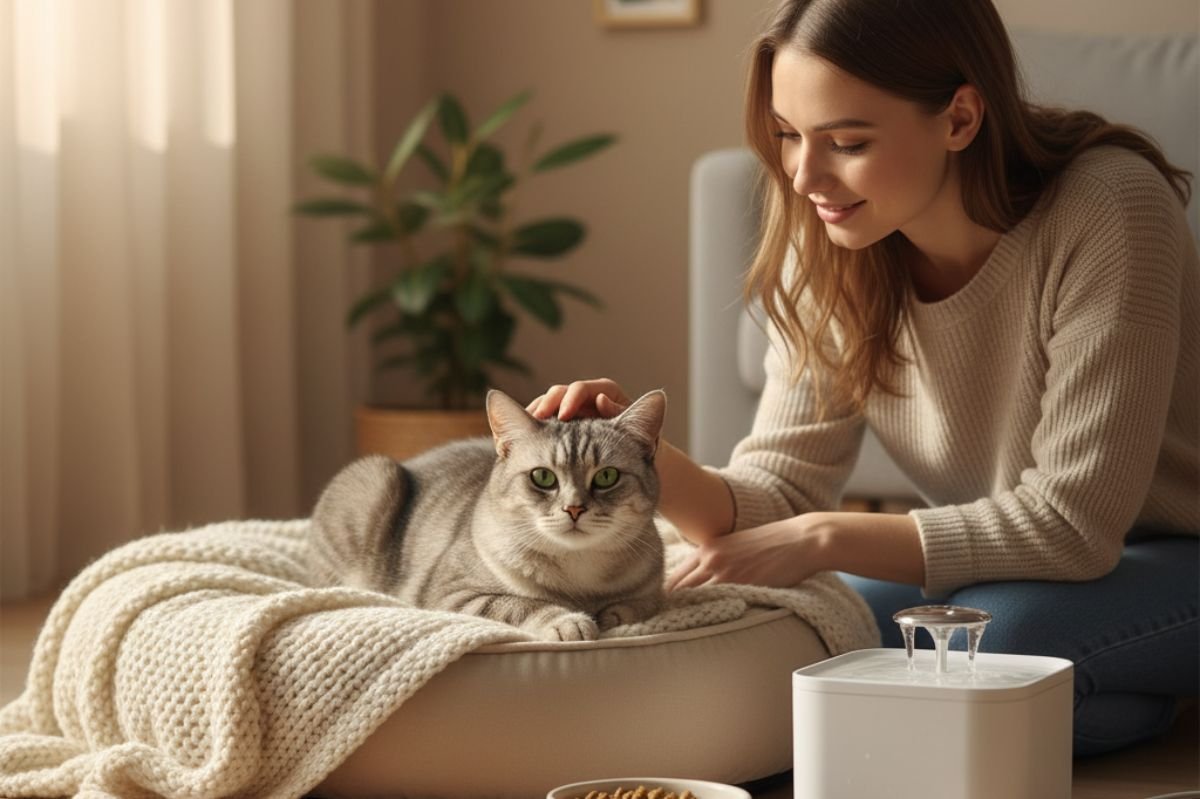
As cats age, their needs evolve just like ours. A once playful kitten becomes a calm senior, sleeping longer, eating differently, and moving slower. Senior cats, typically those over seven years old, require extra attention to diet, comfort, and preventive health care.
Many owners mistake aging signs for normal slowing down, but subtle shifts in appetite, grooming, or behaviour may signal underlying changes in metabolism or joint health. With the right adjustments, you can help your cat stay comfortable, active, and content well into their golden years.
For more wellness tips for older cats, visit CheekyPetsCo Cat Health Hub.
Tired of boring toys that your pet ignores after five minutes? Discover the ultimate collection of pet-approved toys designed to keep dogs, cats, and even exotic pets happy, active, and mentally sharp. From chew-proof fetch balls to interactive puzzle toys, every pick is vet-recommended, durable, and loved by pets everywhere.
Make playtime the best time of their day. Bring home joy, health, and tail-wagging excitement today!
Senior cats experience gradual metabolic slowdowns. Muscle mass decreases, joints stiffen, and digestion becomes less efficient. Their senses of smell and taste may dull, affecting appetite.
Recognising these changes allows you to adapt early. Weight loss, for instance, might not just mean less eating—it could signal thyroid imbalance or kidney strain. A slower walk could be arthritis rather than laziness.
Learn more about common health concerns in older cats at CheekyPetsCo Cat Health Page.
Nutrition is the foundation of healthy aging. Senior cats need fewer calories but more protein to preserve muscle. They also benefit from omega-3 fatty acids for joint health and antioxidants for immune support.
Switch gradually to senior-specific formulas rich in lean proteins and controlled fat levels. Soft or wet foods help with hydration and are easier for older teeth.
Find balanced senior cat food options at CheekyPetsCo Cat Food Guide.
Kidney and urinary issues become more common with age. Encourage hydration by offering multiple water bowls or using fountains to attract curiosity. Adding water or broth to meals helps too.
A diet with higher moisture content keeps digestion smooth and supports organ function. Fibre-rich food aids regular bowel movements, especially in less active cats.
See hydration and nutrition tips for aging cats at CheekyPetsCo Cat Food Guide.
Senior cats often face stiffness, arthritis, or reduced mobility. Create a home setup that minimises strain. Add ramps to reach beds or couches, soft blankets for joint relief, and low-entry litter boxes for easy access.
Ensure food, water, and litter areas are close together. Keep favourite sleeping spots warm and draft-free.
Find comfort accessories and bedding ideas at CheekyPetsCo’s Cat Cleaning Hub.
Though older cats slow down, they still need movement to maintain joint flexibility and mental sharpness. Replace intense play sessions with gentle wand games, slow chases, or puzzle feeders.
Short bursts of activity stimulate appetite, circulation, and mood. Avoid jumping-based games that stress aging joints.
Explore low-impact play ideas at CheekyPetsCo Cat Toys Collection.
Senior cats may struggle to groom properly, leading to matting, dandruff, or odour. Brush them regularly to maintain coat health and stimulate blood flow. Use soft bristles to avoid discomfort.
Check nails often since reduced scratching can cause overgrowth. Clean ears and eyes gently using cat-safe wipes.
Learn more about senior grooming and hygiene care at CheekyPetsCo Cat Cleaning Hub.
Twice-yearly vet visits are crucial for early detection of age-related diseases. Routine bloodwork can identify kidney or thyroid issues before symptoms appear.
Keep a notebook of changes in eating, drinking, litter habits, or mobility. Early tracking can save lives.
See preventive health monitoring guides at CheekyPetsCo’s Cat Health Page.
Aging doesn’t mean decline—it means adapting. With a little extra care, your senior cat can live comfortably and happily for many years. Small changes in diet, comfort, and routine make a big difference in well-being and longevity.
Discover senior-friendly nutrition, cozy bedding, and gentle grooming tools at CheekyPetsCo’s Cat Health Hub and give your older companion the golden years they deserve.

At CheekyPetsCo, we’re a team of passionate pet lovers dedicated to helping you give your furry, feathery, or scaly friends the happiest, healthiest life possible. From expert tips on nutrition and training to fun facts and care guides for dogs, cats, and exotic pets. Our mission is to make pet parenting smarter, easier, and full of joy. Because every pet deserves a little cheeky love!
Your comment will be published within 24 hours.