Your comment will be published within 24 hours.

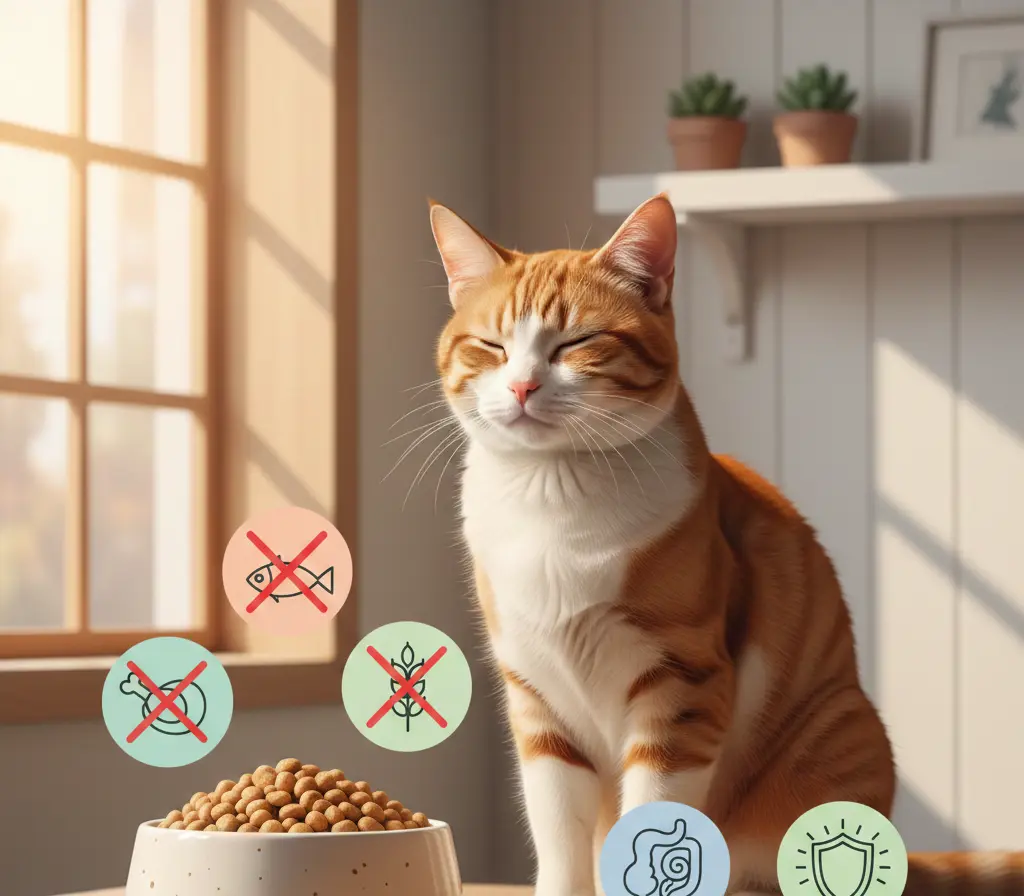
If your cat constantly scratches, vomits, or has digestive upset, food allergies might be the culprit. Like humans, cats can react to specific ingredients, often developing sensitivities after repeated exposure.
Fortunately, food allergies are manageable with careful observation, veterinary testing, and the right diet. This guide explains how to detect food allergies, the most common triggers, and safe alternatives to keep your cat feeling their best.
For tailored nutrition plans, visit CheekyPetsCo’s Cat Food Section.
Tired of boring toys that your pet ignores after five minutes? Discover the ultimate collection of pet-approved toys designed to keep dogs, cats, and even exotic pets happy, active, and mentally sharp. From chew-proof fetch balls to interactive puzzle toys, every pick is vet-recommended, durable, and loved by pets everywhere.
Make playtime the best time of their day. Bring home joy, health, and tail-wagging excitement today!
Allergies can manifest in various ways, including:
These symptoms overlap with other conditions, so a vet diagnosis is essential.
Learn more about feline skin and digestive health at CheekyPetsCo’s Cat Health Hub.
The most frequent triggers include:
Cats can develop allergies over time, not just after a new food introduction. Rotating proteins occasionally helps reduce risk.
See safe and limited-ingredient meal options at CheekyPetsCo’s Cat Food Hub.
The elimination diet is the gold standard. Feed your cat a novel protein (like rabbit or duck) and a single carbohydrate source for 8–12 weeks. If symptoms improve, reintroduce previous foods one by one to identify the trigger.
During this process, avoid all treats and flavoured medications.
Learn about vet-guided allergy testing methods at CheekyPetsCo’s Cat Health Page.
Once the allergen is identified, select hypoallergenic or limited-ingredient food that excludes it. These formulas use unique proteins and fewer additives to reduce immune reactions.
Wet food versions are especially helpful because they contain fewer preservatives.
Find hypoallergenic and novel protein options at CheekyPetsCo’s Cat Food Collection.
Consistency is crucial. Avoid sharing human food or treats unless you’re sure they’re allergen-free. Maintain a feeding diary to track reactions and ingredient changes.
Supplements like omega-3 fatty acids can support skin health and reduce inflammation.
For feline supplement guidance and wellness tips, visit CheekyPetsCo’s Cat Health Hub.
Prevention is easier than treatment. Rotate between two or three safe protein sources every few months, and avoid overfeeding one type of meat.
Read labels carefully—some foods contain hidden ingredients or flavourings.
Explore label-reading and allergy prevention tips at CheekyPetsCo’s Cat Food Page.
Food allergies can be frustrating, but with patience and the right diet, most cats recover beautifully. Understanding triggers and sticking to clean, balanced meals will keep your cat healthy and comfortable.
Browse allergen-safe food options and personalized nutrition plans at CheekyPetsCo’s Cat Food Hub and help your cat enjoy every bite without worry.

At CheekyPetsCo, we’re a team of passionate pet lovers dedicated to helping you give your furry, feathery, or scaly friends the happiest, healthiest life possible. From expert tips on nutrition and training to fun facts and care guides for dogs, cats, and exotic pets. Our mission is to make pet parenting smarter, easier, and full of joy. Because every pet deserves a little cheeky love!
Your comment will be published within 24 hours.