Your comment will be published within 24 hours.

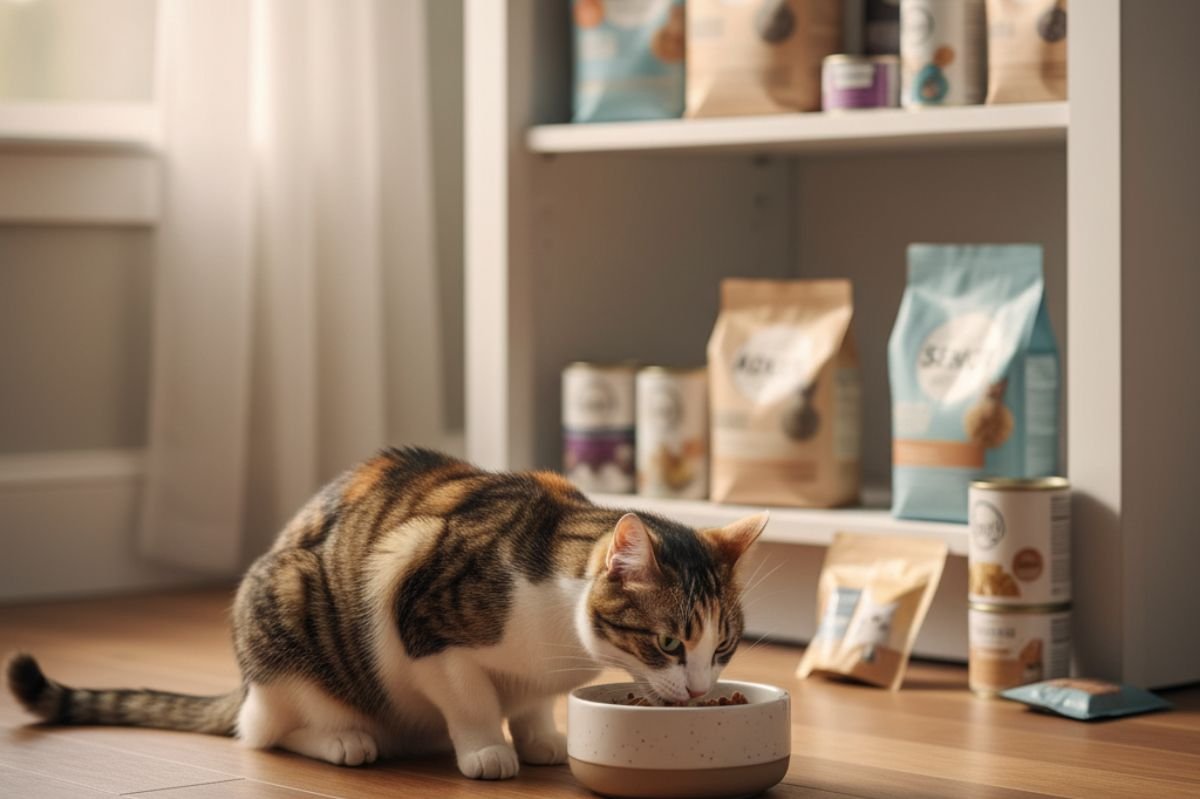
Feeding your cat is about more than filling a bowl. Every stage of life brings unique nutritional needs—from a kitten’s rapid growth to a senior cat’s slower metabolism. The right food fuels energy, supports immunity, and enhances longevity.
Yet, many owners rely on one-size-fits-all diets, unaware that what works for a playful kitten might not suit a mature or indoor cat. Choosing age and lifestyle-appropriate food ensures your cat gets the proper balance of protein, fats, vitamins, and hydration.
For a curated selection of foods for every life stage, visit CheekyPetsCo’s Cat Food Section.
Tired of boring toys that your pet ignores after five minutes? Discover the ultimate collection of pet-approved toys designed to keep dogs, cats, and even exotic pets happy, active, and mentally sharp. From chew-proof fetch balls to interactive puzzle toys, every pick is vet-recommended, durable, and loved by pets everywhere.
Make playtime the best time of their day. Bring home joy, health, and tail-wagging excitement today!
Kittens need high-protein, calorie-rich food to support rapid development. Their diet should contain essential fatty acids, taurine, and calcium for bone and muscle growth. Feed small portions several times a day to maintain consistent energy levels.
Adult cats require maintenance diets that sustain healthy weight and muscle tone. Too many treats or calorie-dense foods lead to obesity, particularly for indoor cats.
Older cats need softer food with joint-supporting nutrients like omega-3s and antioxidants for immune function. Reduced-calorie formulas prevent unnecessary weight gain.
Find life-stage specific meal plans at CheekyPetsCo’s Cat Food Hub.
A cat’s environment and activity level shape nutritional needs.
Learn more about balancing nutrition and activity at CheekyPetsCo’s Cat Health Hub.
Cats are obligate carnivores, meaning their primary energy source comes from animal proteins. Protein builds lean muscle and supports organ function, while fats provide energy and improve coat health.
Look for foods where the first ingredient is real meat—chicken, turkey, or fish. Avoid fillers like corn or wheat that add calories without nutrients.
Find high-protein and grain-free options at CheekyPetsCo’s Cat Food Page.
Moisture intake is vital for kidney and urinary health. Wet food supports hydration better than dry kibble, especially for cats that don’t drink enough water.
If your cat prefers crunch, alternate between wet and dry meals or add water to kibble for texture variety.
Read hydration and feeding balance tips at CheekyPetsCo’s Cat Health Page.
Some cats develop sensitivities to certain proteins or additives. Common signs include itching, vomiting, or diarrhea. Switch to limited-ingredient or hypoallergenic formulas under veterinary guidance.
Rotate proteins occasionally to prevent intolerance buildup.
Learn more about cat food allergies and safe alternatives at CheekyPetsCo’s Cat Health Hub.
Overfeeding is one of the most common mistakes in feline nutrition. Measure portions carefully and use feeding guides on packaging as a baseline. Adjust portions according to weight and activity level.
Adult cats typically thrive on two meals a day, while kittens may need four or five smaller ones.
Find feeding schedule and portioning tools at CheekyPetsCo’s Cat Food Section.
Every cat deserves food that matches their life stage and lifestyle. By focusing on quality protein, hydration, and portion control, you provide the foundation for lasting health and vitality.
Discover premium cat foods tailored to kittens, adults, and seniors at CheekyPetsCo’s Cat Food Hub and make every meal a step toward lifelong wellness.

At CheekyPetsCo, we’re a team of passionate pet lovers dedicated to helping you give your furry, feathery, or scaly friends the happiest, healthiest life possible. From expert tips on nutrition and training to fun facts and care guides for dogs, cats, and exotic pets. Our mission is to make pet parenting smarter, easier, and full of joy. Because every pet deserves a little cheeky love!
Your comment will be published within 24 hours.