Your comment will be published within 24 hours.

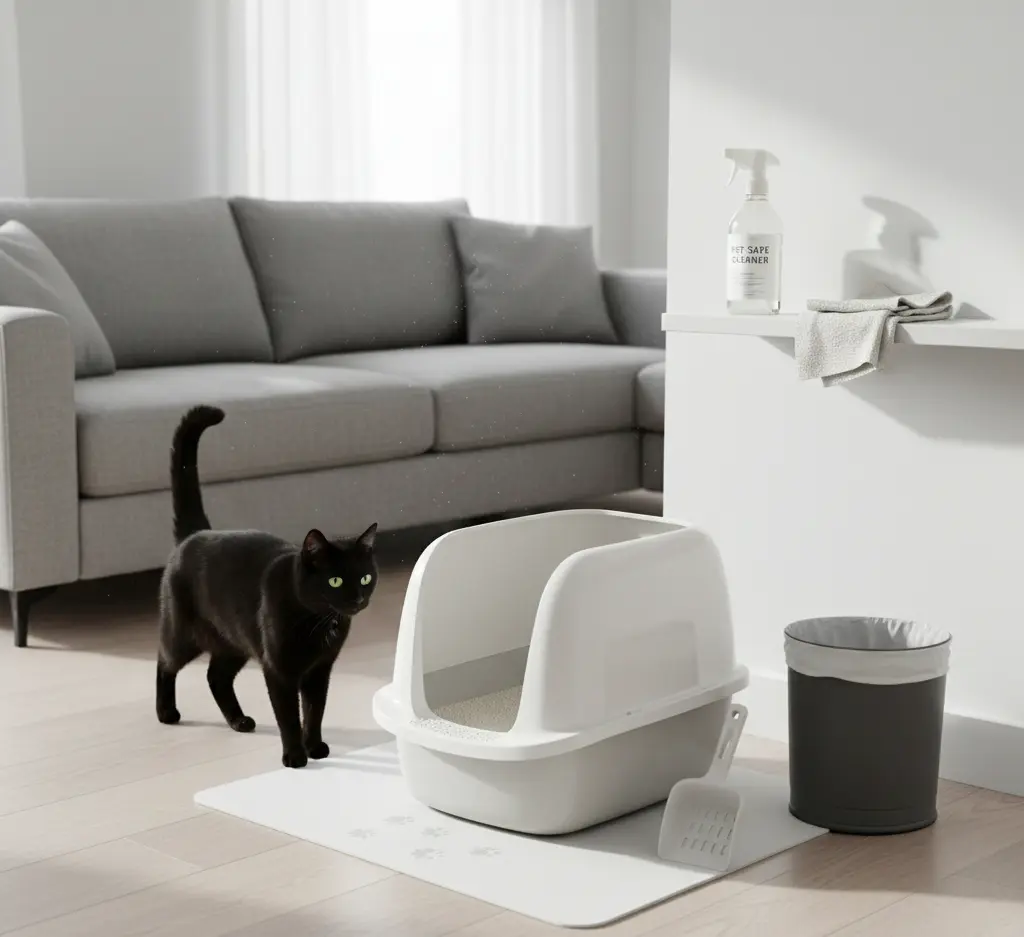
A clean litter box is more than a convenience—it’s essential to your cat’s comfort and health. Cats are naturally clean animals and often avoid dirty litter boxes, leading to accidents or behavioural stress. Proper litter maintenance also helps prevent odours and bacterial growth that can spread through your home.
This guide walks you through simple, smart methods to maintain your cat’s litter area without turning it into a daily chore.
For more feline hygiene insights, visit CheekyPetsCo’s Cat Cleaning Hub.
Cats value privacy and quiet. Place the litter box in a low-traffic area away from food and water. Avoid corners with no escape routes—cats feel safer when they can leave easily if startled.
If you have multiple cats, provide one litter box per cat plus one extra. Overcrowded boxes cause stress and territorial disputes.
Learn more about environmental comfort and stress reduction at CheekyPetsCo’s Cat Health Hub.
Different cats have different preferences. Clumping litter makes scooping easier, while natural or unscented options are best for sensitive noses. Avoid heavily perfumed types—they may deter cats from using the box.
Eco-friendly alternatives like recycled paper or wood pellets control odour and reduce dust.
Find litter and odour-control options at CheekyPetsCo’s Cat Cleaning Section.
Scoop at least once or twice daily to keep the box inviting. Cats often refuse to use a dirty box, which can lead to urinary issues or stress. Keep a lined trash bin near the litter station for quick disposal.
Top up fresh litter regularly to maintain a consistent depth of about two to three inches.
See time-saving daily cleaning routines at CheekyPetsCo’s Cat Cleaning Hub.
Even with daily scooping, residue builds up over time. Wash the box weekly with warm water and mild, unscented soap. Avoid bleach or strong chemicals—they can linger and repel your cat.
Rinse thoroughly and dry completely before refilling. Replace the box every six to twelve months if you notice scratches or odours that won’t fade.
Learn about safe cleaning products and non-toxic alternatives at CheekyPetsCo’s Cat Cleaning Section.
A clean box shouldn’t smell. If it does, review your scooping routine or consider switching litter types. Baking soda sprinkled at the bottom helps neutralise odours safely. Avoid air fresheners near the box—they mask smells but irritate cats’ sensitive noses.
Explore natural odour-control hacks at CheekyPetsCo’s Cat Cleaning Hub.
Sharing is not always caring when it comes to litter boxes. Cats prefer personal space, and crowding can lead to avoidance or marking.
Keep boxes in separate rooms or at least a few feet apart. Choose covered boxes only if your cats tolerate them—some dislike confined spaces.
Find multi-cat litter management strategies at CheekyPetsCo’s Cat Training Page.
Frequent urination, straining, or avoiding the box can signal urinary problems. Check the litter daily for changes in colour, amount, or consistency—it’s an easy way to monitor health.
Report unusual signs to your vet promptly.
Learn about urinary health and hygiene habits at CheekyPetsCo’s Cat Health Hub.
A well-maintained litter area promotes cleanliness, comfort, and harmony in your home. By staying consistent and using cat-safe products, you can prevent odours, reduce stress, and make litter duty quick and simple.
Discover odour-neutralizing products, eco-friendly litters, and safe cleaning tools at CheekyPetsCo’s Cat Cleaning Hub and give your cat a spotless space they’ll always return to.

At CheekyPetsCo, we’re a team of passionate pet lovers dedicated to helping you give your furry, feathery, or scaly friends the happiest, healthiest life possible. From expert tips on nutrition and training to fun facts and care guides for dogs, cats, and exotic pets. Our mission is to make pet parenting smarter, easier, and full of joy. Because every pet deserves a little cheeky love!
Your comment will be published within 24 hours.