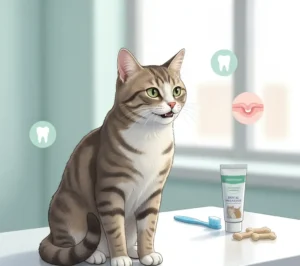
Common Dental Problems in Cats and How to Prevent Them
Introduction A healthy mouth means a healthy cat. Yet dental disease is one of the most common health problems in cats, affecting more than two-thirds

Introduction A healthy mouth means a healthy cat. Yet dental disease is one of the most common health problems in cats, affecting more than two-thirds

Introduction Cats are masters of disguise when it comes to illness. In nature, showing weakness makes them vulnerable, so even when unwell, most cats continue

Introduction It’s easy to assume that indoor cats don’t need much exercise. They live safely indoors, far from predators and traffic, lounging on windowsills and
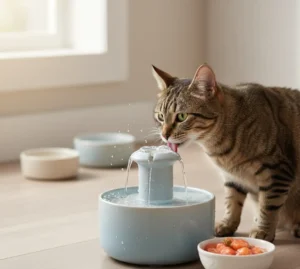
Introduction Cats have a mysterious relationship with water. Unlike dogs, they are naturally low drinkers. Their wild ancestors got moisture from prey, which means many

Introduction As cats age, their needs evolve just like ours. A once playful kitten becomes a calm senior, sleeping longer, eating differently, and moving slower.